
Fenbendazole
Fenbendazole is a broad-spectrum antiparasitic medication primarily used to treat infections caused by intestinal parasites. It belongs to a class of drugs known as benzimidazole anthelmintics, which are widely used to eliminate parasitic worms from the body. Fenbendazole is commonly used in veterinary medicine to control parasites in animals such as dogs, cats, horses, and livestock, though research and discussions around its potential applications in humans have also gained attention in recent years.
Parasitic infections occur when worms or other parasites enter the body through contaminated food, water, soil, or contact with infected animals. These parasites can live and multiply inside the digestive system, leading to symptoms such as abdominal discomfort, diarrhea, fatigue, and nutritional deficiencies. Antiparasitic medications like Fenbendazole work by disrupting the biological functions of parasites, which ultimately leads to their death and removal from the body.
How Fenbendazole Works?
Fenbendazole works by interfering with the parasites’ ability to absorb nutrients. Specifically, it disrupts the formation of microtubules within the parasite’s cells. Microtubules are essential structures that help maintain cellular shape and allow the parasite to absorb glucose and other nutrients. By blocking this process, Fenbendazole deprives the parasites of energy, causing them to die gradually.
Because of this mechanism of action, Fenbendazole is effective against several types of intestinal parasites. It can target roundworms, hookworms, whipworms, and certain tapeworm species. This broad activity makes it a widely used deworming medication in veterinary healthcare.
Common Uses
Fenbendazole is primarily prescribed to treat parasitic infections in animals. Veterinarians often use it to manage gastrointestinal worm infections that can affect pets and farm animals. Regular deworming with medications like Fenbendazole helps protect animals from health problems caused by parasites and also prevents the spread of infections.
In veterinary medicine, Fenbendazole is often administered in tablet, paste, or powder form. The dosage and duration of treatment vary depending on the type of parasite, the species of animal, and the severity of the infection.
Safety and Considerations
Fenbendazole is generally considered safe when used according to veterinary instructions. Most animals tolerate the medication well, and side effects are usually mild if they occur. Occasionally, animals may experience temporary digestive upset such as vomiting or diarrhea.
Proper dosing is important to ensure the medication works effectively and to minimize the risk of side effects. Pet owners should always follow the guidance of a veterinarian when administering antiparasitic medications.
Preventing Parasitic Infections
Preventing parasitic infections involves maintaining good hygiene and regular veterinary care for animals. Routine deworming, clean living environments, and proper sanitation can significantly reduce the risk of parasite transmission. For animals that spend time outdoors or interact with other animals, regular parasite control programs are especially important.
Conclusion
Fenbendazole is a widely used antiparasitic medication known for its effectiveness against various intestinal worms. Its ability to disrupt parasite metabolism helps eliminate infections and improve overall health in animals. When used properly and under professional guidance, Fenbendazole plays an important role in controlling parasitic infections and supporting animal health.
-
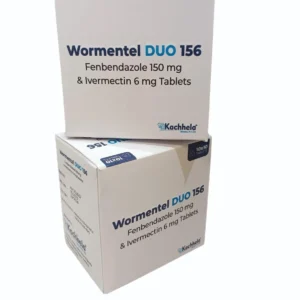
Wormentel Duo 156 (Fenbendazole/Ivermectin)
Active Ingredient: Fenbendazole/Ivermectin Indication: Parasitic infections, Anti-Worm Manufacturer: Kachhela Medex Pvt. Ltd. Packaging: 10 tablets in 1 strip Strength: 156mg Delivery Time: 10 To 15 days Price range: $85.00 through $210.00Wormentel Duo 156 (Fenbendazole/Ivermectin)
Price range: $85.00 through $210.00 -
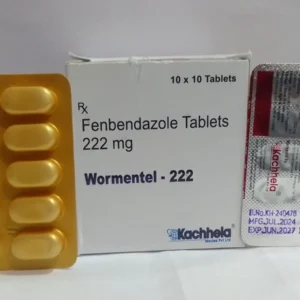
Wormentel 222 Mg (Fenbendazole)
Active Ingredient: Fenbendazole Indication: Treat a Variety of Parasites Manufacturer: Kachhela Medex Pvt. Ltd. Packaging: 10 tablets in 1 strip Strength: 150mg, 222mg, 444mg, 500mg, 888mg, 1000mg, Delivery Time: 10 to 15 days Price range: $20.00 through $150.00Wormentel 222 Mg (Fenbendazole)
Price range: $20.00 through $150.00