
Anti-Worm Medications: Comprehensive Guide
Understanding Parasitic Worm Infections and Treatment Solutions
Parasitic worm infections, medically termed helminthiasis, affect over 1.5 billion people globally, representing one of the most prevalent yet overlooked health challenges worldwide. These infections result from intestinal parasites, including roundworms, tapeworms, hookworms, pinworms, and whipworms, which compromise nutritional status, cognitive development, and overall well-being. Anti-worm medications, also known as anthelmintics or dewormers, provide targeted therapeutic solutions to eliminate these parasitic invaders and restore optimal health.
GenericMedsKart offers a comprehensive range of pharmaceutical-grade anti-worm medications sourced from WHO-GMP certified manufacturers, ensuring effective parasitic treatment with proven safety profiles and global quality standards.
How Anti-Worm Medications Work?
Anthelmintic drugs employ sophisticated mechanisms to eliminate parasitic worms without harming human cells:
Neuromuscular Disruption: Medications like Ivermectin and Pyrantel paralyze parasites by interfering with nerve transmission, causing immobilization and natural expulsion from the gastrointestinal tract.
Metabolic Interference: Albendazole and Mebendazole disrupt glucose uptake in parasites, essentially starving them by blocking energy production essential for survival and reproduction.
Cell Structure Damage: Praziquantel increases parasite cell membrane permeability, causing calcium influx that leads to muscle contraction, paralysis, and disintegration.
These targeted approaches ensure parasites are effectively eliminated while maintaining safety for human physiology, as the biochemical pathways affected exist uniquely in parasitic organisms.
Common Parasitic Worm Infections Treated
Intestinal Roundworm Infections:
✓ Ascariasis – Large roundworms causing abdominal discomfort and nutritional deficiency
✓ Hookworm Disease – Blood-feeding parasites leading to anemia and fatigue
✓ Pinworm (Enterobiasis) – Common childhood infection causing intense anal itching
✓ Whipworm (Trichuriasis) – Intestinal parasites affecting colon health
✓ Strongyloidiasis – Potentially chronic infection requiring specialized treatment
Tapeworm Infections:
✓ Taeniasis – Beef and pork tapeworms from contaminated meat
✓ Hymenolepis – Dwarf tapeworm common in children
✓ Diphyllobothriasis – Fish tapeworm causing vitamin B12 deficiency
Tissue-Invasive Parasites:
✓ Filariasis – Lymphatic worms causing elephantiasis
✓ Onchocerciasis – River blindness from parasitic worms
✓ Cysticercosis – Tissue-invasive tapeworm larvae
Popular Anti-Worm Medications Available:-
Albendazole (200mg, 400mg):
Broad-spectrum anthelmintic effective against roundworms, hookworms, tapeworms, and tissue parasites. Single-dose or short-course treatment for the most common infections.
Mebendazole (100mg, 500mg):
First-line treatment for pinworms, roundworms, hookworms, and whipworms. Safe for pediatric use with minimal side effects.
Ivermectin (3mg, 6mg, 12mg):
Powerful antiparasitic for strongyloidiasis, onchocerciasis, lymphatic filariasis, and scabies. WHO Essential Medicine with proven global impact.
Praziquantel (600mg):
Gold-standard therapy for all tapeworm infections and schistosomiasis. Rapid action with excellent tolerability.
Pyrantel Pamoate (250mg):
Over-the-counter option for pinworms and roundworms. Safe, effective single-dose treatment suitable for families.
Levamisole (50mg, 150mg):
Effective against roundworms with immunomodulatory properties. Used in specific parasitic conditions.
Who Needs Anti-Worm Treatment?
High-Risk Populations:
Children in Endemic Areas: School-age children face the greatest infection burden affecting growth, cognitive development, and educational performance.
Travelers to Tropical Regions: Visitors to areas with poor sanitation encounter elevated parasitic exposure risk.
Immunocompromised Individuals: HIV/AIDS patients, transplant recipients, and others with weakened immunity require vigilant parasitic screening.
Agricultural Workers: Direct soil contact increases hookworm and strongyloides transmission.
Families with Infected Members: Pinworms and other parasites spread rapidly within households, necessitating family-wide treatment.
Recognizing Parasitic Infection Symptoms
Gastrointestinal Indicators:
Persistent abdominal pain, bloating, diarrhea or constipation, nausea, unexplained weight loss, visible worms in stool
Systemic Manifestations:
Chronic fatigue, weakness, iron-deficiency anemia, malnutrition despite adequate diet, and developmental delays in children
Specific Symptoms:
Intense nighttime anal itching (pinworms), cough and wheezing (migrating roundworm larvae), skin rashes, muscle pain, and fever
Critical Note: Many parasitic infections remain asymptomatic initially. Regular screening in high-risk populations enables early detection and treatment before complications develop.
Treatment Approach and Dosing Guidance
Professional Diagnosis Essential: Laboratory stool examination confirms specific parasitic species, enabling targeted therapy selection and appropriate dosing.
Weight-Based Dosing: Most anthelmintics require precise calculation based on body weight, particularly for pediatric patients.
Treatment Duration: Ranges from single-dose therapy (pinworms, some roundworms) to multi-day courses (tissue parasites, heavy infections).
Follow-Up Testing: Stool examination 2-4 weeks post-treatment confirms parasitic elimination and treatment success.
Family Treatment: Household members often receive simultaneous treatment to prevent reinfection cycles.
Hygiene Integration: Medication effectiveness maximizes when combined with handwashing, nail hygiene, safe food preparation, and sanitation improvements.
Safety, Side Effects, and Precautions
Anti-worm medications demonstrate excellent safety profiles when used appropriately:
Common Mild Effects: Temporary nausea, abdominal discomfort, headache, dizziness—typically resolve without intervention.
Rare Serious Reactions: Severe allergic responses, liver enzyme elevation, and neurological symptoms require immediate medical attention.
Pregnancy Considerations: First-trimester use is generally avoided; second/third-trimester use is evaluated individually under medical supervision.
Drug Interactions: Some anthelmintics interact with seizure medications, blood thinners, and other drugs—a comprehensive medication review is essential.
Contraindications: Certain conditions preclude specific anthelmintics; professional evaluation ensures appropriate selection.
Prevention Strategies
Hygiene Practices: Regular handwashing, especially before eating and after bathroom use
Food Safety: Thorough cooking of meat, washing fruits/vegetables, and safe water consumption
Sanitation Access: Proper toilet facilities prevent environmental contamination
Footwear Use: Shoes protect against hookworm penetration through the skin
Deworming Programs: Mass drug administration in endemic areas reduces community infection burden
Why Choose GenericMedsKart for Anti-Worm Medications?
✅ Authentic Pharmaceutical Products – WHO-GMP certified manufacturers guarantee quality
✅ Comprehensive Selection – Complete range of anthelmintics for all parasitic infections
✅ Prescription Support – Licensed pharmacists assist with appropriate medication selection
✅ Affordable Pricing – Generic medications provide cost-effective treatment access
✅ Global Shipping – Reliable delivery to the USA, UK, and worldwide destinations
✅ Discreet Packaging – Medical privacy protected through confidential shipping
✅ Expert Guidance – Professional support for dosing, administration, and safety questions
Medical Disclaimer:
This information serves educational purposes only. Parasitic infection diagnosis and treatment require professional medical evaluation. Always consult qualified healthcare providers for personalized medical advice. Prescription medications require valid prescriptions from licensed medical practitioners.
-
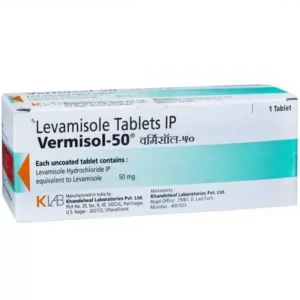
Vermisol 50 Tablet (Levamisole)
Active Ingredient: Levamisole Indication: Worm infections Manufacturer: Khandelwal Laboratories Pvt.Ltd. Packaging: 1 Tablet in 1 strip Strength: 50mg Delivery Time: 10 to 15 days Price range: $20.00 through $50.00Vermisol 50 Tablet (Levamisole)
Price range: $20.00 through $50.00 -
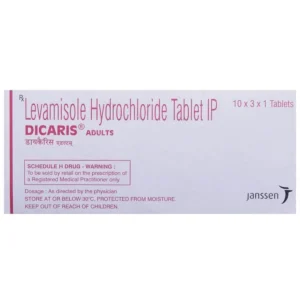
Dicaris Adults 150 mg (Levamisole)
Active Ingredient: Levamisole Indication: Worm infections Manufacturer: Janssen Pharmaceuticals, India Packaging: 1 Tablet in 1 strip Strength: 150mg Delivery Time: 10 to 15 days Price range: $5.00 through $20.00Dicaris Adults 150 mg (Levamisole)
Price range: $5.00 through $20.00 -
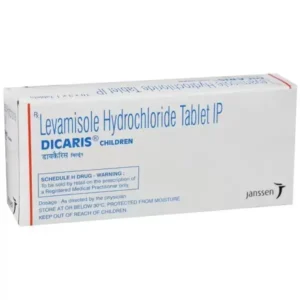
Dicaris Children 50 mg (Levamisole)
Active Ingredient: Levamisole Indication: Worm infections Manufacturer: Janssen Pharmaceuticals, India Packaging: 1 Tablet in 1 strip Strength: 50mg Delivery Time: 10 to 15 days Price range: $5.00 through $15.00Dicaris Children 50 mg (Levamisole)
Price range: $5.00 through $15.00 -
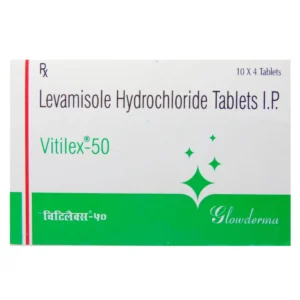
Vitilex 50 Mg (Levamisole)
Active Ingredient: Levamisole Indication: Worm infections Manufacturer: Glowderma Lab Ltd. Packaging: 4 Tablets in 1 strip Strength: 50mg Delivery Time: 10 to 15 days Price range: $17.00 through $60.00Vitilex 50 Mg (Levamisole)
Price range: $17.00 through $60.00 -
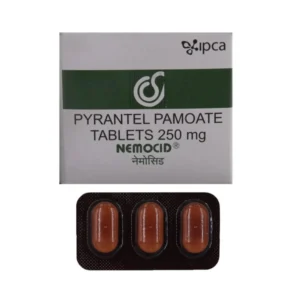
Nemocid 250 Mg (Pyrantel)
Active Ingredient: Pyrantel Indication: Worm infections Manufacturer: Ipca Laboratories Ltd Packaging: 3 tablets in 1 strip Strength: 250mg Delivery Time: 10 to 15 days Price range: $35.00 through $110.00Nemocid 250 Mg (Pyrantel)
Price range: $35.00 through $110.00 -
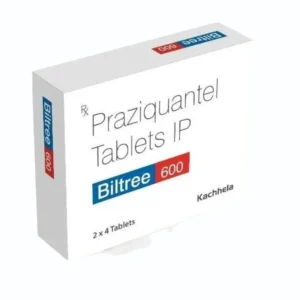
Biltree 600 mg (Praziquantel)
Active Ingredient: Praziquantel Indication: Worm infections, Schistosoma infections. Manufacturer: Kachhela Medex Pvt. Ltd. Packaging: 4 tablets in 1 strip Strength: 600mg Delivery Time: 10 to 15 days Price range: $50.00 through $132.00Biltree 600 mg (Praziquantel)
Price range: $50.00 through $132.00 -
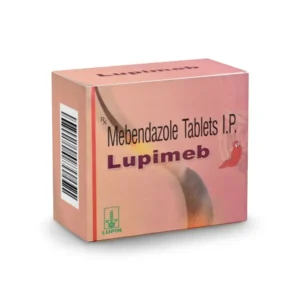
Lupimeb 100 mg (Mebendazole)
Active Ingredient: Mebendazole Indication: Worm infections Manufacturer: Lupin Limited Packaging: 6 tablets in 1 strip Strength: 100mg Delivery Time: 10 To 15 days Price range: $15.00 through $25.00Lupimeb 100 mg (Mebendazole)
Price range: $15.00 through $25.00 -
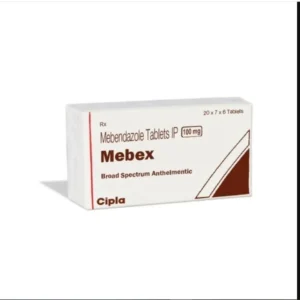
Mebex 100 mg (Mebendazole)
Active Ingredient: Mebendazole Indication: Worm infections Manufacturer: Cipla Limited Packaging: 6 Tablets in a strip Strength: 100mg Delivery Time: 10 to 15 days Price range: $10.00 through $25.00Mebex 100 mg (Mebendazole)
Price range: $10.00 through $25.00 -
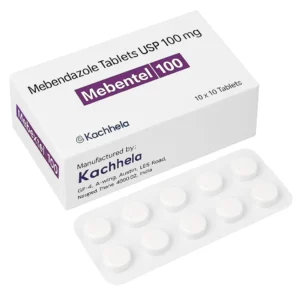
Mebentel 100 Mg (Mebendazole)
Active Ingredient: Mebendazole Indication: Worm infections Manufacturer: Kachhela Medex Pvt. Ltd. Packaging: 10 tablets in 1 strip Strength: 100mg, 500mg Delivery Time: 10 to 15 days Price range: $30.00 through $150.00Mebentel 100 Mg (Mebendazole)
Price range: $30.00 through $150.00 -
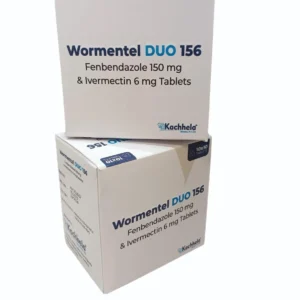
Wormentel Duo 156 (Fenbendazole/Ivermectin)
Active Ingredient: Fenbendazole/Ivermectin Indication: Parasitic infections, Anti-Worm Manufacturer: Kachhela Medex Pvt. Ltd. Packaging: 10 tablets in 1 strip Strength: 156mg Delivery Time: 10 To 15 days Price range: $85.00 through $210.00Wormentel Duo 156 (Fenbendazole/Ivermectin)
Price range: $85.00 through $210.00 -
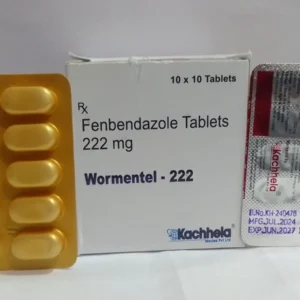
Wormentel 222 Mg (Fenbendazole)
Active Ingredient: Fenbendazole Indication: Treat a Variety of Parasites Manufacturer: Kachhela Medex Pvt. Ltd. Packaging: 10 tablets in 1 strip Strength: 150mg, 222mg, 444mg, 500mg, 888mg, 1000mg, Delivery Time: 10 to 15 days Price range: $20.00 through $150.00Wormentel 222 Mg (Fenbendazole)
Price range: $20.00 through $150.00 -
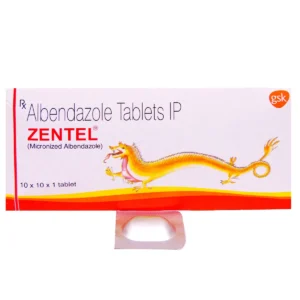
Zentel 400 mg
Active Ingredient: Albendazole Indication: Parasitic worm infections Manufacturer: GlaxoSmithKline Pharmaceuticals Ltd Packaging: 1 Tablet in 1 strip Delivery Time: 10 To 15 days Price range: $15.00 through $60.00Zentel 400 mg
Price range: $15.00 through $60.00