
Mebendazole
Mebendazole is a commonly prescribed antiparasitic medication used to treat infections caused by intestinal worms. It belongs to a group of medicines known as anthelmintics, which are designed to eliminate parasitic worms from the body. Mebendazole is widely used around the world and is considered an effective treatment option for several types of worm infections affecting both children and adults.
Parasitic worm infections are often caused by consuming contaminated food or water, poor hygiene, or contact with infected soil. These infections can lead to symptoms such as abdominal pain, diarrhea, itching around the anal area (especially in pinworm infections), weight loss, and fatigue. In some cases, people may not experience noticeable symptoms, which makes regular medical evaluation important in high-risk areas.
How Mebendazole Works?
Mebendazole works by preventing worms from absorbing glucose, which is essential for their survival. By disrupting their ability to use energy, the medication gradually kills the parasites. Once the worms die, they are naturally eliminated from the body through the digestive system.
Because of this mechanism, Mebendazole is effective against several common intestinal worms. It does not usually require special preparation before taking it, but proper hygiene measures are important to prevent reinfection.
Common Medical Uses
Mebendazole is commonly prescribed to treat infections caused by:
- Pinworms
- Roundworms
- Whipworms
- Hookworms
In many cases, a single dose may be enough to treat certain infections, particularly pinworms. However, depending on the type and severity of the infection, a healthcare professional may recommend additional doses over several days.
Dosage and Administration
The dosage of Mebendazole depends on the type of worm infection, the patient’s age, and their overall health condition. It is usually available in tablet or chewable form. Some formulations may be taken with or without food, but it is important to follow the instructions provided by a healthcare provider.
For infections like pinworms, doctors may advise treating all household members at the same time to prevent the spread of infection. Maintaining cleanliness, washing bedding and clothing, and practicing regular handwashing are essential steps during treatment.
Possible Side Effects
Mebendazole is generally well tolerated. Most people experience no serious side effects. Mild side effects may include stomach pain, nausea, diarrhea, or headache. These symptoms are usually temporary and resolve on their own.
Serious side effects are rare but may include allergic reactions or changes in liver function. Anyone experiencing unusual symptoms after taking the medication should seek medical advice promptly.
Precautions and Safety
Mebendazole should be used under medical supervision, especially in young children or individuals with liver conditions. Pregnant women should consult a healthcare professional before taking this medication. It is important to complete the full course of treatment if prescribed, even if symptoms improve.
Good hygiene practices are essential to reduce the risk of reinfection. Washing hands thoroughly, keeping nails trimmed, and ensuring food is properly prepared can help prevent future worm infections.
Conclusion
Mebendazole is a trusted and widely used treatment for intestinal worm infections. By interfering with the parasites’ energy supply, it effectively eliminates them from the body. When taken as directed and combined with proper hygiene measures, Mebendazole provides safe and reliable relief from common parasitic worm infections.
-

Lupimeb 100 mg (Mebendazole)
Active Ingredient: Mebendazole Indication: Worm infections Manufacturer: Lupin Limited Packaging: 6 tablets in 1 strip Strength: 100mg Delivery Time: 10 To 15 days Price range: $15.00 through $25.00Lupimeb 100 mg (Mebendazole)
Price range: $15.00 through $25.00 -
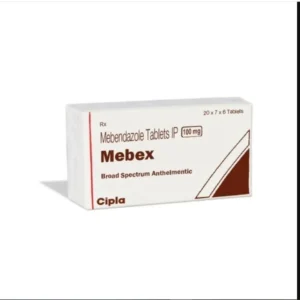
Mebex 100 mg (Mebendazole)
Active Ingredient: Mebendazole Indication: Worm infections Manufacturer: Cipla Limited Packaging: 6 Tablets in a strip Strength: 100mg Delivery Time: 10 to 15 days Price range: $10.00 through $25.00Mebex 100 mg (Mebendazole)
Price range: $10.00 through $25.00 -
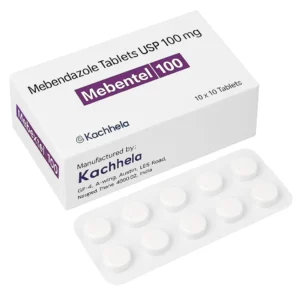
Mebentel 100 Mg (Mebendazole)
Active Ingredient: Mebendazole Indication: Worm infections Manufacturer: Kachhela Medex Pvt. Ltd. Packaging: 10 tablets in 1 strip Strength: 100mg, 500mg Delivery Time: 10 to 15 days Price range: $30.00 through $150.00Mebentel 100 Mg (Mebendazole)
Price range: $30.00 through $150.00