
Fungal Infection Medicines: Essential Treatment Options:-
Fungal infections affect millions of people worldwide, causing discomfort and, in some cases, serious health complications. This category provides access to prescription antifungal medications designed to treat various fungal infections affecting the skin, nails, mouth, and internal organs. Understanding your treatment options and working closely with a healthcare provider ensures safe and effective management of these common conditions.
Understanding Fungal Infections:-
Fungal infections occur when harmful fungi invade the body, overgrow, or disrupt the natural balance of microorganisms. These infections can affect different parts of the body, including the skin, nails, scalp, mouth, throat, lungs, and other internal organs. Common fungal infections include athlete’s foot, ringworm, candidiasis (yeast infections), nail fungus (onychomycosis), and more serious systemic infections in immunocompromised individuals.
Factors that increase the risk of fungal infections include weakened immune systems, diabetes, prolonged antibiotic use, warm and humid environments, poor hygiene, and certain medical conditions. While superficial fungal infections are typically mild and treatable, systemic fungal infections require prompt medical attention and appropriate antifungal therapy.
Types of Antifungal Medicines Available:-
Antifungal medications come in various forms to address different types and severities of fungal infections:
Topical Antifungals-
Creams, ointments, powders, and sprays are applied directly to the affected skin or nail area. These are commonly used for superficial infections like athlete’s foot, jock itch, ringworm, and mild yeast infections.
Oral Antifungals-
Tablets and capsules are taken by mouth to treat moderate to severe infections or those that don’t respond to topical treatment. Oral medications are often prescribed for nail fungus, scalp infections, and systemic fungal conditions.
Antifungal Classes-
Different classes of antifungal agents work through distinct mechanisms, including azoles (fluconazole, itraconazole, ketoconazole), allylamines (terbinafine), polyenes, and echinocandins. Your healthcare provider will select the most appropriate medication based on the type of fungus, infection location, and severity.
How Antifungal Medicines Work?
Antifungal medications target fungal cells while minimizing harm to human cells. They work through several mechanisms:
Disrupting fungal cell membranes: Many antifungals interfere with ergosterol, a crucial component of fungal cell walls, causing the cells to leak and die
Inhibiting fungal growth: Some medications prevent fungi from reproducing and spreading
Blocking fungal metabolism: Certain antifungals interfere with essential metabolic processes within fungal cells
The specific mechanism depends on the medication class and is carefully chosen by healthcare providers based on the infection type, location, and patient factors.
Treatment Goals and Expected Benefits:-
Antifungal therapy aims to achieve several important outcomes:
Eliminate the fungal infection: Proper treatment works to eradicate the causative fungi from the affected area
Relieve symptoms: Patients typically experience a reduction in itching, burning, redness, discomfort, and other symptoms associated with fungal infections
Prevent spread: Treatment helps contain the infection and prevents it from spreading to other body parts or individuals
Reduce recurrence risk: Completing the full treatment course decreases the likelihood of the infection returning
Treatment duration varies considerably depending on the infection type and location. Superficial skin infections may resolve within weeks, while nail fungus often requires several months of therapy. Patient compliance with the full treatment regimen is essential for successful outcomes.
Important Safety Considerations:-
General Precautions:-
Antifungal medications are generally safe when used as directed, but certain precautions apply:
Medical supervision required: Always use antifungal medications under the guidance of a qualified healthcare provider who has properly diagnosed your condition
Complete the full course: Even if symptoms improve, finishing the entire prescribed treatment prevents incomplete eradication and resistance
Monitor for side effects: While many people tolerate antifungals well, some may experience side effects such as stomach upset, headache, rash, or liver enzyme changes
Drug interactions: Some antifungals, particularly oral azoles, can interact with other medications. Inform your doctor about all medications and supplements you take
Liver function: Certain oral antifungals require periodic liver function monitoring, especially during prolonged treatment
Special Populations:-
Pregnant and breastfeeding women, children, elderly patients, and those with liver or kidney conditions require special consideration and dosing adjustments. Never use prescription antifungals without consulting a healthcare provider in these situations.
Why Professional Medical Guidance Is Essential?
Self-diagnosis and self-treatment of fungal infections can lead to several problems:
– Misidentification of the condition (many skin conditions mimic fungal infections)
– Use of inappropriate medications or incorrect dosages
– Delayed treatment of more serious underlying conditions
– Development of antifungal resistance
– Unnecessary side effects or complications
A healthcare provider can accurately diagnose your condition through physical examination and, when necessary, laboratory testing. They’ll prescribe the most appropriate antifungal medication, dosage, and treatment duration based on your specific situation.
Proper Storage and Handling:-
To maintain medication effectiveness and safety:
– Store antifungal medications at room temperature unless otherwise directed
– Keep medications in their original containers with labels intact
– Protect from excessive heat, moisture, and direct sunlight
– Store out of reach of children and pets
– Check expiration dates regularly and dispose of expired medications properly
– For topical preparations, ensure applicators or caps remain clean to prevent contamination
Frequently Asked Questions?
How long does it take for antifungal treatment to work?
Response time varies by infection type and location. Skin infections may show improvement within days to weeks, while nail infections often require 3-6 months or longer for complete resolution.
Can I stop treatment once symptoms disappear?
No. Completing the full prescribed course is crucial to fully eliminate the fungal infection and prevent recurrence, even after symptoms resolve.
Are antifungal medicines available over-the-counter?
Some mild topical antifungals are available OTC for common conditions like athlete’s foot, but prescription-strength medications are necessary for more severe, widespread, or resistant infections.
Medical Disclaimer:-
This information is provided for educational purposes only and does not constitute medical advice, diagnosis, or treatment recommendations. All antifungal medications in this category require a valid prescription from a licensed healthcare provider. Fungal infections vary in severity and require proper medical diagnosis and individualized treatment plans. Do not use this information to self-diagnose or self-treat. Always consult with a qualified healthcare professional before starting, stopping, or changing any medication regimen. If you experience severe symptoms, allergic reactions, or medical emergencies, seek immediate medical attention.
-

8X Shampoo (Ciclopirox & Zinc pyrithione)
Active Ingredient Ciclopirox/Zinc pyrithione Manufacturer Cipla Limited Packaging 100 ml in 1 bottle Strength 100ml Delivery Time 6 To 15 days SKU: 8X Shampoo (Ciclopirox/Zinc pyrithione) Price range: $10.00 through $52.008X Shampoo (Ciclopirox & Zinc pyrithione)
Price range: $10.00 through $52.00 -

Daktarin Gel (Miconazole)
Active Ingredient Miconazole Manufacturer Janssen Pharmaceuticals, India Packaging 20 gm in 1 tube Strength 2% Delivery Time 6 To 15 days SKU: Daktarin Gel (Miconazole) Price range: $5.00 through $26.00Daktarin Gel (Miconazole)
Price range: $5.00 through $26.00 -

Fenza 2% Cream (Fenticonazole)
Active Ingredient Fenticonazole Manufacturer Glenmark Pharmaceuticals Ltd. Packaging 30 gm in 1 tube Strength 2% Delivery Time 6 To 15 days SKU: Fenza 2% Cream (Fenticonazole) Price range: $9.00 through $45.00Fenza 2% Cream (Fenticonazole)
Price range: $9.00 through $45.00 -

Fenza 600 Mg Vaginal Capsule (Fenticonazole)
Active Ingredient Fenticonazole Manufacturer Glenmark Pharmaceuticals Ltd. Packaging 1 Vaginal Capsule in 1 packet Strength 600 Mg Delivery Time 6 To 15 days SKU: Fenza 600 Mg Vaginal Capsule (Fenticonazole) Price range: $16.00 through $42.00Fenza 600 Mg Vaginal Capsule (Fenticonazole)
Price range: $16.00 through $42.00 -
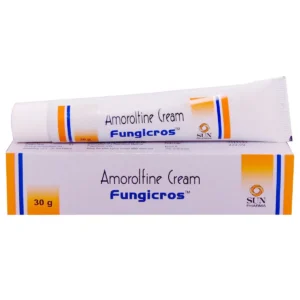
Fungicros Cream (Amorolfine & Phenoxyethanol)
Active Ingredient Amorolfine/Phenoxyethanol Manufacturer Sun Pharmaceutical Industries Ltd Packaging 10 gm in 1 tube Delivery Time 6 To 15 days SKU: Fungicros Cream (Amorolfine/Phenoxyethanol) Price range: $6.00 through $30.00Fungicros Cream (Amorolfine & Phenoxyethanol)
Price range: $6.00 through $30.00 -

Ketoconazole Cream 15gm (Ketoconazole)
Active Ingredient Ketoconazole Manufacturer Healing Pharma, India Packaging 15 gm in 1 tube Strength 15gm Delivery Time 6 To 15 days SKU: Ketoconazole Cream 15gm (Ketoconazole) Price range: $15.00 through $50.00Ketoconazole Cream 15gm (Ketoconazole)
Price range: $15.00 through $50.00 -
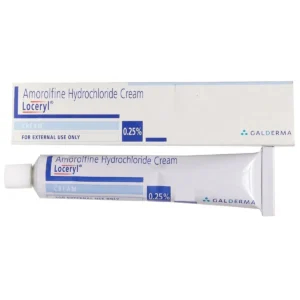
Loceryl Cream (Amorolfine)
Active Ingredient Amorolfine Manufacturer Galderma India Pvt Ltd Packaging 10 gm in 1 tube Delivery Time 6 To 15 days SKU: Loceryl Cream (Amorolfine) Price range: $9.00 through $48.00Loceryl Cream (Amorolfine)
Price range: $9.00 through $48.00 -

Lulifin Cream 10G (Luliconazole)
Active Ingredient Luliconazole Manufacturer Sun Pharmaceutical Industries Ltd Packaging Available in 10g, 20g, 30g & 50g in a Tube Strength 10gm, 20gm, 30gm, 50gm Delivery Time 6 To 15 days SKU: Lulifin Cream 10g (Luliconazole) Price range: $7.00 through $101.00Lulifin Cream 10G (Luliconazole)
Price range: $7.00 through $101.00 -
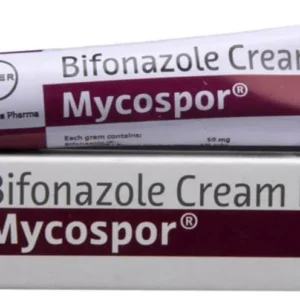
Mycospor Cream (Bifonazole)
Active Ingredient Bifonazole Manufacturer Bayer Zydus Pharma Packaging 10 gm in 1 tube Strength 1% Delivery Time 6 To 15 days SKU: Mycospor Cream (Bifonazole) Price range: $5.00 through $20.00Mycospor Cream (Bifonazole)
Price range: $5.00 through $20.00 -
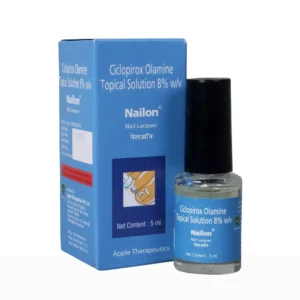
Nailon Nail Lacquer (Ciclopirox)
Active Ingredient Ciclopirox Manufacturer Apple Therapeutics Pvt Ltd Packaging 5 ml in 1 Bottle Strength 8% Delivery Time 6 To 15 days SKU: Nailon Nail Lacquer (Ciclopirox) Price range: $10.00 through $52.00Nailon Nail Lacquer (Ciclopirox)
Price range: $10.00 through $52.00 -
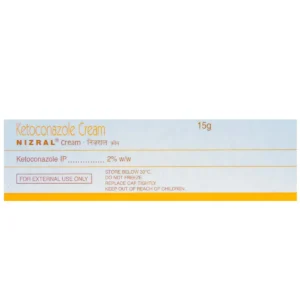
Nizral 15 GM Cream (Ketoconazole)
Active Ingredient Ketoconazole Manufacturer Janssen Pharmaceuticals, India Packaging 15 gm in 1 tube Strength 15gm Delivery Time 6 To 15 days SKU: Nizral 15 GM Cream (Ketoconazole) Price range: $6.00 through $44.00Nizral 15 GM Cream (Ketoconazole)
Price range: $6.00 through $44.00 -

Onabet 2% Cream (Sertaconazole)
Active Ingredient Sertaconazole Manufacturer Glenmark Pharmaceuticals Ltd. Packaging 30g in 1 tube Strength 2% Delivery Time 6 To 15 days SKU: Onabet 2% Cream (Sertaconazole) Price range: $12.00 through $66.00Onabet 2% Cream (Sertaconazole)
Price range: $12.00 through $66.00