
Respiratory Medicines
Understanding Respiratory Health and Treatments
The respiratory system, including the lungs and airways, plays a vital role in supplying oxygen to the body. Various conditions, such as asthma, chronic obstructive pulmonary disease (COPD), bronchitis, and allergies can affect breathing and overall wellness. Medicines in this category are designed to help manage symptoms, improve lung function, and support long-term respiratory health under medical supervision.
These medications are used as part of standard treatment plans and should only be taken as prescribed by healthcare professionals.
Health Conditions Covered in This Category
Medicines in the respiratory category are commonly used for:
- Asthma management
- Chronic Obstructive Pulmonary Disease (COPD)
- Allergic rhinitis and sinus issues
- Bronchitis and respiratory infections
- Other chronic or acute respiratory conditions
- Treatment approaches may differ depending on the severity of the condition and patient-specific factors.
Types of Medicines Included
The respiratory category includes various types of medications, such as:
- Inhalers (bronchodilators, corticosteroids)
- Oral tablets and capsules
- Nebulizer solutions
- Combination therapies
- Supportive medicines (for symptom relief, allergy management, or infection control)
- These medicines are available in prescription-only (Rx) or over-the-counter (OTC) formats, depending on the specific drug.
How These Medicines Work
Respiratory medicines function by:
- Relaxing airway muscles to improve airflow
- Reducing inflammation in the lungs and airways
- Treating infections or preventing their recurrence
- Controlling allergic reactions that trigger respiratory symptoms
- Proper use under medical guidance is essential to achieve the best therapeutic outcomes.
Treatment Goals and Patient Benefits
The main objectives of respiratory medications are to:
- Improve breathing and oxygen intake
- Reduce the frequency and severity of symptoms
- Prevent disease exacerbations and complications
- Support daily activities and overall quality of life
- Enable better long-term management of chronic respiratory conditions
- Results may vary depending on individual response and adherence to prescribed treatment.
Safety Information and General Precautions
Respiratory medicines can have side effects and require careful use:
- Always follow the dosage instructions provided by your doctor
- Report any new or worsening symptoms promptly
- Be aware of possible side effects such as dry mouth, jitteriness, or mild infections
- Regular monitoring may be needed for long-term therapies
- Do not adjust or stop medications without consulting a healthcare professional.
Importance of Medical Guidance
All medicines in this category are best used under the supervision of qualified healthcare providers. Self-medication or unsupervised use may lead to serious health risks or reduced effectiveness.
Storage and Handling Tips
- Store medicines as per instructions on the label
- Protect inhalers and solutions from extreme temperatures and moisture
- Keep out of reach of children and pets
- Check expiration dates and discard expired medicines safely
- Proper storage ensures the potency and safety of the medicines.
Frequently Asked Questions (FAQs)
1. Can I manage asthma without inhalers?
Inhalers and other prescribed medicines are crucial for controlling asthma and preventing attacks. Do not replace them with home remedies.
2. Are respiratory medicines safe for long-term use?
Many respiratory medications are used safely long-term under regular medical supervision.
3. Can I use OTC respiratory medicines without a doctor?
Some OTC medicines are for temporary relief, but persistent symptoms should always be evaluated by a doctor.
4. How should I use an inhaler properly?
Follow your doctor’s instructions and read the device manual carefully to ensure effective dosing.
Medical & Prescription Disclaimer
This content is for educational purposes only and does not replace professional medical advice. Respiratory medicines should only be used as prescribed by a qualified healthcare provider. Consult your doctor for diagnosis, treatment options, and medication use.
-
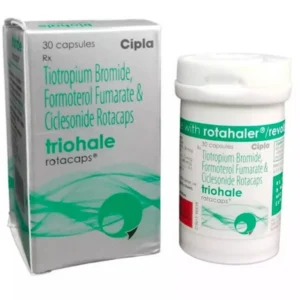
Triohale Rotacaps (Tiotropium, Formoterol & Ciclesonide)
Active Ingredient Tiotropium/Formoterol/Ciclesonide Manufacturer Cipla Limited Packaging 15 Rotacaps in 1 packet Delivery Time 6 To 15 days SKU: Triohale Rotacaps (Tiotropium/Formoterol/Ciclesonide) Price range: $12.00 through $31.50Triohale Rotacaps (Tiotropium, Formoterol & Ciclesonide)
Price range: $12.00 through $31.50 -
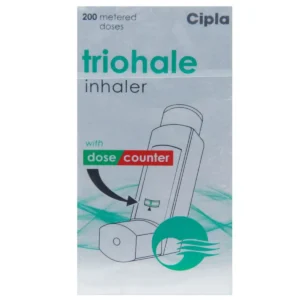
Triohale Inhaler (Tiotropium,Formoterol & Ciclesonide)
Active Ingredient Tiotropium/Formoterol/Ciclesonide Manufacturer Cipla Limited Packaging 200 MDI in 1 Inhaler Delivery Time 6 To 15 days SKU: Triohale Inhaler (Tiotropium/Formoterol/Ciclesonide) Price range: $33.00 through $95.00Triohale Inhaler (Tiotropium,Formoterol & Ciclesonide)
Price range: $33.00 through $95.00 -
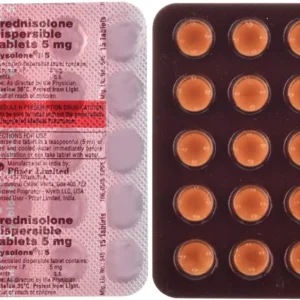 Price range: $12.00 through $48.00
Wysolone 5 Mg (Prednisolone)
Price range: $12.00 through $48.00 -
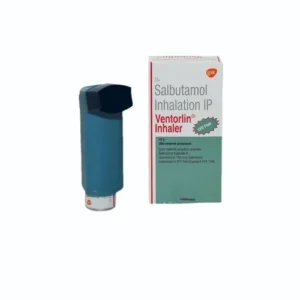
Ventorlin Inhaler 100 Mcg (Salbutamol)
Active Ingredient Salbutamol Manufacturer GlaxoSmithKline Pharmaceuticals Ltd Packaging 200 MDI in 1 Inhaler Strength 100 Mcg Delivery Time 6 To 15 days SKU: Ventorlin Inhaler 100 Mcg (Salbutamol) Price range: $6.00 through $25.00Ventorlin Inhaler 100 Mcg (Salbutamol)
Price range: $6.00 through $25.00 -
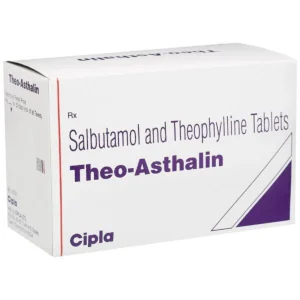
Theo Asthalin Tablet (Salbutamol & Theophylline)
Active Ingredient Salbutamol/Theophylline Manufacturer Cipla Limited Packaging 10 tablets in 1 strip Strength 2mg+100mg Delivery Time 6 To 15 days SKU: Theo Asthalin Tablet (Salbutamol/Theophylline) Price range: $6.48 through $19.50Theo Asthalin Tablet (Salbutamol & Theophylline)
Price range: $6.48 through $19.50 -

Theo Asthalin Forte (Salbutamol & Theophylline)
Active Ingredient Salbutamol/Theophylline Manufacturer Cipla Limited Packaging 10 tablets in 1 strip Delivery Time 6 To 15 days SKU: Theo Asthalin Forte (Salbutamol/Theophylline) Price range: $6.30 through $18.00Theo Asthalin Forte (Salbutamol & Theophylline)
Price range: $6.30 through $18.00 -
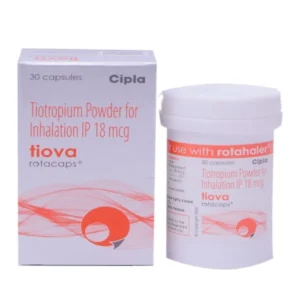
Tiova Rotacaps (Tiotropium Bromide)
Active Ingredient Tiotropium Bromide Manufacturer Cipla Limited Packaging 15 Rotacaps in 1 packet Strength 18 Mcg Delivery Time 6 To 15 days SKU: Tiova Rotacaps (Tiotropium Bromide) Price range: $14.00 through $37.00Tiova Rotacaps (Tiotropium Bromide)
Price range: $14.00 through $37.00 -

Tiova Inhaler (Tiotropium Bromide)
Active Ingredient Tiotropium Bromide Manufacturer Cipla Limited Packaging 200 MDI in 1 Inhaler Strength 9 Mcg Delivery Time 6 To 15 days SKU: Tiova Inhaler (Tiotropium Bromide) Price range: $15.00 through $42.00Tiova Inhaler (Tiotropium Bromide)
Price range: $15.00 through $42.00 -

Tiotrop Rotacaps (Tiotropium Bromide)
Active Ingredient Tiotropium Bromide Manufacturer Healing Pharma, India Packaging 15 Rotacaps in 1 packet Strength 18 Mcg Delivery Time 6 To 15 days SKU: Tiotrop Rotacaps (Tiotropium Bromide) Price range: $15.00 through $37.00Tiotrop Rotacaps (Tiotropium Bromide)
Price range: $15.00 through $37.00 -
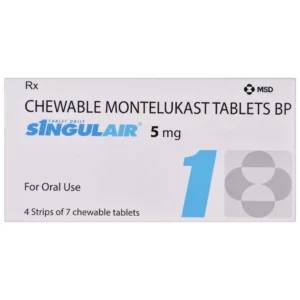
Singulair 5 Mg (Montelukast)
Active Ingredient Montelukast Manufacturer MSD Pharmaceuticals India Pvt. Ltd. Packaging 7 Tablets in strips & 14 tablets in strips Strength 5 Mg, 10 Mg Delivery Time 6 To 15 days SKU: Singulair 5 Mg (Montelukast) Price range: $46.80 through $180.00Singulair 5 Mg (Montelukast)
Price range: $46.80 through $180.00 -
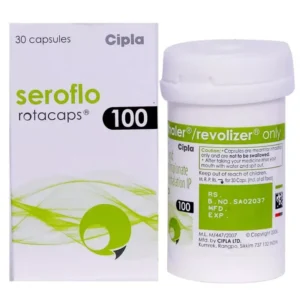
Seroflo Rotacaps 100 Mcg (Salmeterol & Fluticasone)
Active Ingredient Salmeterol/Fluticasone Manufacturer Cipla Limited Packaging 30 Rotacaps in 1 bottle Strength 100 Mcg, 250 Mcg, 500 Mcg Delivery Time 6 To 15 days SKU: Seroflo Rotacaps 100 Mcg (Salmeterol/Fluticasone) Price range: $9.50 through $29.80Seroflo Rotacaps 100 Mcg (Salmeterol & Fluticasone)
Price range: $9.50 through $29.80 -
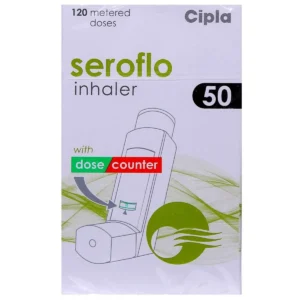
Seroflo Inhaler 50 Mcg (Salmeterol & Fluticasone)
Active Ingredient Salmeterol/Fluticasone Manufacturer Cipla Limited Packaging 120 MDI in 1 Inhaler Strength 50 Mcg, 125 Mcg, 250 Mcg Delivery Time 6 To 15 days SKU: Seroflo Inhaler 50 Mcg (Salmeterol/Fluticasone) Price range: $11.00 through $47.00Seroflo Inhaler 50 Mcg (Salmeterol & Fluticasone)
Price range: $11.00 through $47.00