
- “Betnesol 0.5Mg (Betamethasone Dipropionate)” already exists in your wishlist
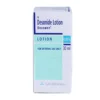
Desowen Lotion (Desonide)

Price range: $5.00 through $29.00
| Active Ingredient | Desonide |
|---|---|
| Manufacturer | Galderma India Pvt Ltd |
| Packaging | 30 ml in 1 bottle |
| Strength | 0.05% |
| Delivery Time | 6 to 15 days |
| SKU: | Desowen Lotion (Desonide) |
Introduction to Desowen Lotion (Desonide)
Inflammatory skin conditions are among the most common medical complaints worldwide. Conditions like eczema, contact dermatitis, seborrheic dermatitis, and localized allergic rashes can cause deep discomfort. Patients often experience persistent itching, intense redness, swelling, scaling, and localized pain. When the skin barrier becomes compromised by inflammation, it disrupts daily activities, sleep, and overall quality of life. Scratching inflamed skin can cause further irritation, breakdown of the skin surface, and secondary bacterial infections.
Desowen Lotion (Desonide) is a widely prescribed topical medication formulated to bring fast and effective relief to inflamed, irritated skin. Containing Desonide 0.05% as its active pharmaceutical ingredient, Desowen Lotion belongs to the class of medications known as topical corticosteroids. It is categorized as a low-to-mild potency steroid, making it a versatile option for managing mild to moderate inflammatory dermatoses across various body surfaces.
The lotion formulation is particularly beneficial because it spreads smoothly over large or hairy body regions without leaving an overly greasy residue. It hydrates the skin while delivering the active medication directly into the superficial layers of the epidermis and dermis. Understanding how Desowen Lotion (Desonide) works, how to apply it correctly, who can use it safely, and what precautions to take will help you achieve optimal therapeutic results while minimizing the risk of unwanted side effects.
What is Desowen Lotion (Desonide)?
Desowen Lotion is a prescription topical steroid containing Desonide at a concentration of 0.05% (0.5 mg per gram). Desonide is a synthetic non-fluorinated corticosteroid designed to deliver targeted anti-inflammatory action directly to the skin.
Topical corticosteroids are classified into different potency levels, ranging from Class 1 (super-potent) to Class 7 (least potent). Desonide is considered a low-to-mild potency (Class 6 or Class 7) corticosteroid. Because of its gentle strength, Desowen Lotion is often selected by dermatologists when treating sensitive skin areas, delicate skin folds, or chronic skin conditions that require controlled, low-potency intervention.
Chemical Properties and Lotion Base Advantages
Desonide is a synthetic corticosteroid compound that is virtually insoluble in water, requiring a carefully engineered vehicle for proper skin delivery. Desowen Lotion utilizes a light, emollient-rich fluid emulsion base containing purified water, mineral oil, emulsifying agents, and stabilizers.
This specific fluid formulation offers distinct practical advantages over heavier ointments or thick creams:
-
Ease of Application: It glides easily over large areas of inflamed skin with minimal rubbing, which reduces physical irritation.
-
Suitability for Hairy Areas: The fluid texture allows easy application to hair-bearing areas like the scalp, chest, arms, and legs without matted hair or heavy buildup.
-
Cooling Effect: As the liquid base evaporates slightly upon application, it provides a soothing, cooling sensation to burning or itchy skin.
-
Balanced Moisture: It helps restore skin hydration without clogging pores or feeling excessively greasy.
How Desowen Lotion Works (Mechanism of Action)
To understand how Desowen Lotion (Desonide) restores skin health, it helps to examine how inflammatory responses occur within the human skin.
When skin is exposed to an allergen, irritant, or autoimmune trigger, immune cells in the skin release specialized chemical messengers called prostaglandins, leukotrienes, and inflammatory cytokines. These natural chemicals dilate local blood vessels, causing redness (erythema), fluid leakage, swelling (edema), and intense stimulation of nerve endings, which results in itching (pruritus).
Desonide works through four primary biological actions at the cellular level:
1. Anti-Inflammatory Action
Once absorbed into the superficial skin cells, Desonide binds to specific intracellular glucocorticoid receptors. This receptor-binding complex travels into the cell nucleus, where it alters gene expression. It increases the synthesis of anti-inflammatory proteins (such as lipocortin) while suppressing the production of inflammatory enzymes like phospholipase A2. This stops the cascade that generates prostaglandins and leukotrienes, rapidly reducing skin swelling and warmth.
2. Anti-Pruritic (Anti-Itch) Effect
By suppressing the release of histamine and other inflammatory mediators that trigger skin nerve fibers, Desowen Lotion quickly cools the urge to scratch. Breaking the “itch-scratch cycle” is essential for allowing the skin barrier to heal and preventing secondary bacterial skin infections.
3. Vasoconstrictive Properties
Desonide causes small capillary blood vessels near the surface of the skin to constrict (narrow). This reduction in blood flow quickly calms visible redness, flushing, and heat in the affected areas.
4. Anti-Proliferative Action
In conditions characterized by rapid skin cell overproduction, such as mild psoriasis, Desonide helps normalize the rate of epidermal cell division, reducing thick scaling, flaking, and plaque formation.
Primary Uses and Indications
Desowen Lotion (Desonide) is indicated for the relief of inflammatory and itchy manifestations of various corticosteroid-responsive dermatoses. Key medical conditions treated with Desowen Lotion include:
1. Atopic Dermatitis (Eczema)
Atopic dermatitis is a chronic, relapsing skin condition marked by dry, red, extremely itchy patches. Desowen Lotion helps soothe acute eczema flare-ups, reduce redness, and restore comfort to compromised skin.
2. Contact Dermatitis (Allergic and Irritant)
Contact dermatitis occurs when the skin reacts to an external substance, such as poisonous plants (poison ivy or oak), harsh soaps, detergents, cosmetics, nickel jewelry, or industrial chemicals. Desowen Lotion relieves the severe redness, blistering, and intense itching associated with these localized allergic reactions.
3. Seborrheic Dermatitis
Seborrheic dermatitis causes red, scaly, oily patches, primarily on the face, around the nose, eyebrows, chest, and scalp. The lightweight formulation of Desowen Lotion makes it an excellent choice for treating seborrheic patches without clogging hair follicles or leaving heavy residue.
4. Mild to Moderate Psoriasis
Psoriasis is an autoimmune condition that causes skin cells to build up rapidly, forming thick, silvery scales and itchy, dry patches. While high-potency steroids are often needed for thick plaques on elbows and knees, Desowen Lotion is ideal for managing milder psoriasis patches or sensitive areas.
5. Allergic Rashes and Insect Bite Reactions
Desowen Lotion can be prescribed to calm localized, non-infected inflammatory reactions caused by insect bites, stings, or sudden environmental allergic rashes.
Key Benefits of Desowen Lotion (Desonide)
Choosing Desowen Lotion for inflammatory skin management provides several important clinical benefits:
-
Targeted Relief: Delivers therapeutic medicine directly to the inflamed site, reducing the need for oral systemic medications.
-
Fast-Acting Symptom Control: Noticeably reduces intense itching, burning, and redness within a short period after application.
-
Favorable Safety Profile: As a low-to-mild potency steroid, Desonide carries a lower risk of severe skin thinning (atrophy) or systemic absorption compared to high-potency topical steroids like clobetasol or betamethasone.
-
Versatile Body Application: Highly effective for smooth body surfaces, delicate skin, and hair-bearing areas alike.
-
Improved Quality of Life: By relieving nighttime itching, Desowen Lotion helps patients sleep better and restores daily physical comfort.
Proper Application and Dosage Guidelines
To ensure maximum safety and therapeutic benefit, Desowen Lotion (Desonide) must be applied correctly according to your doctor’s exact instructions.
Step-by-Step Application Instructions
-
Clean the Affected Area: Wash the target skin area gently with mild soap and water. Pat the skin completely dry with a clean, soft towel before applying the lotion.
-
Shake the Bottle Well: Always shake the bottle of Desowen Lotion thoroughly before each use to ensure the active medication is evenly distributed throughout the emulsion.
-
Apply a Thin Film: Dispense a small amount of lotion onto your fingertip. Gently rub a thin layer into the affected skin areas until the lotion disappears. You do not need to apply a thick layer; a small amount covers a surprisingly large surface area.
-
Wash Your Hands: Unless your hands are the specific area being treated, wash your hands thoroughly with soap and water immediately after application to prevent accidentally spreading the lotion to your eyes, nose, or mouth.
-
Application Frequency: Desowen Lotion is typically applied two to three times daily, or exactly as directed by your prescribing dermatologist.
Duration of Treatment
Topical steroids should generally be used for the shortest duration necessary to control symptoms. Treatment usually lasts from a few days up to two or three weeks. Do not use Desowen Lotion continuously for longer than prescribed without medical re-evaluation. If your skin condition does not improve after two weeks of consistent use, consult your doctor.
Important Warnings Regarding Coverings (Occlusion)
Do not bandage, wrap, cover, or apply airtight (occlusive) dressings over the treated area unless specifically instructed to do so by your doctor. Covering treated skin significantly increases the absorption of Desonide into the bloodstream, which elevates the risk of both local and systemic side effects.
Potential Side Effects and Adverse Reactions
While Desowen Lotion (Desonide) is generally well-tolerated due to its mild potency, side effects can occur, particularly with prolonged use, application over large body surface areas, or improper use under tight coverings.
Common Local Side Effects
These effects are usually mild, temporary, and occur at the site of application:
-
Mild burning, stinging, or tingling sensation upon application
-
Local skin irritation or dryness
-
Temporary redness or mild skin peeling
-
Mild itching
Less Common Local Side Effects
Prolonged or inappropriate use of topical corticosteroids can lead to more noticeable skin changes:
-
Skin Atrophy: Thinning of the skin layers, making the skin fragile and prone to bruising or tearing.
-
Striae: Development of permanent stretch marks, especially in skin folds like the groin or armpits.
-
Telangiectasia: Appearance of small, visible spider-like blood vessels under the skin surface.
-
Folliculitis: Inflammation or mild infection of hair follicles, appearing as small pimples.
-
Hypopigmentation: Temporary lightening of skin color in treated areas.
-
Hypertrichosis: Excessive hair growth in treated regions.
-
Perioral Dermatitis: A bumpy, acne-like rash appearing around the mouth.
Systemic Side Effects (Rare)
If Desowen Lotion is applied over extensive body areas for long periods, or used under tight coverings, enough Desonide may enter the bloodstream to cause systemic corticosteroid effects:
-
HPA Axis Suppression: Temporary suppression of the hypothalamic-pituitary-adrenal (HPA) axis, reducing the body’s natural ability to produce cortisol during stress.
-
Cushingoid Symptoms: High blood sugar (hyperglycemia), facial rounding (moon face), and sudden weight gain.
-
Growth Retardation in Children: Slowed physical growth velocity in pediatric patients receiving prolonged topical steroid therapy.
If you experience severe irritation, spreading rash, or signs of systemic absorption, contact your healthcare provider promptly.
Precautions and Safety Warnings
Before starting treatment with Desowen Lotion (Desonide), review the following crucial safety precautions with your physician:
1. Active Skin Infections
Desowen Lotion should not be applied to skin areas affected by active bacterial infections (such as impetigo), viral infections (such as herpes simplex, cold sores, chickenpox, or shingles), fungal infections (such as ringworm or athlete’s foot), or parasitic skin conditions. Corticosteroids suppress local immune responses, which can allow underlying skin infections to worsen rapidly. If a secondary skin infection develops during treatment, stop using the lotion and contact your doctor for appropriate antimicrobial treatment.
2. Avoid Contact with Eyes and Mucous Membranes
Desowen Lotion is formulated strictly for external use on the skin. Keep it away from your eyes, eyelids, mouth, inner nose, and genital mucous membranes. Applying topical steroids near the eyes carries a risk of absorption into the eyeball, potentially leading to increased intraocular pressure, glaucoma, or cataract formation. If accidental contact occurs, rinse thoroughly with cool water immediately.
3. Rosacea and Perioral Dermatitis
Do not use Desowen Lotion to treat facial rosacea or perioral dermatitis. Topical corticosteroids can initially mask symptoms but ultimately cause severe rebound flare-ups and worsen facial redness.
4. Sudden Discontinuation and Tapering
If you have been using Desowen Lotion continuously for an extended period, do not stop using it abruptly. Sudden discontinuation can cause a “rebound effect,” where skin inflammation and itching return with greater severity. Your doctor will advise you on how to gradually taper off application frequency.
Special Population Considerations
1. Pediatric Patients (Children and Infants)
Children are particularly sensitive to topical corticosteroids because they have a higher skin surface area to body weight ratio compared to adults. This results in greater absorption of the medication through the skin.
-
Desowen Lotion should be used in pediatric patients with extreme caution and strictly under direct medical supervision.
-
Avoid applying the lotion under tight diapers or plastic pants when treating infants, as these act as occlusive dressings and drastically increase drug absorption.
-
Use the minimum effective dose for the shortest possible duration to avoid HPA axis suppression and growth inhibition.
2. Pregnant Women
Desowen Lotion falls under FDA Pregnancy Category C. Studies in animals have shown teratogenic effects when corticosteroids are administered systemically at low dosage levels. There are no adequate, well-controlled studies in pregnant women. Desowen Lotion should be used during pregnancy only if the potential benefit justifies the potential risk to the fetus. It should not be applied in large amounts or for prolonged periods during pregnancy.
3. Breastfeeding Mothers
It is not definitively known whether topical application of Desonide leads to sufficient systemic absorption to produce detectable quantities in human breast milk. Breastfeeding mothers should exercise caution. Do not apply Desowen Lotion directly to the chest or breast area prior to nursing to prevent the infant from directly ingesting the medication.
4. Elderly Patients
Geriatric patients often have naturally thinner, more fragile skin. They are at higher risk for skin tearing, purpura, and localized skin atrophy. Elderly individuals should use the smallest effective amount of Desowen Lotion under medical guidance.
Drug Interactions and Skincare Compatibility
Topical drug interactions are less common than oral medication interactions, but important considerations remain:
-
Other Topical Steroids: Avoid using other topical corticosteroid creams, ointments, or gels simultaneously with Desowen Lotion unless instructed by your physician. Combining steroids increases the total steroid load and elevates side effect risks.
-
Irritating Skincare Products: Avoid applying harsh soaps, astringents, alcohol-based toners, exfoliants (such as salicylic acid or glycolic acid), or abrasive skin cleansers to the treated skin areas, as these can exacerbate skin irritation.
-
Moisturizers and Emollients: If your doctor recommends using a moisturizing cream alongside Desowen Lotion, apply the Desowen Lotion first, allow it to absorb fully for 15 to 30 minutes, and then apply your gentle moisturizer.
Proper Storage, Handling, and Disposal
To preserve the quality, stability, and safety of Desowen Lotion:
-
Storage Temperature: Store the lotion at room temperature, ideally between 15°C and 30°C (59°F to 86°F).
-
Avoid Freezing: Do not freeze Desowen Lotion, as extreme cold can destabilize the lotion emulsion. Keep away from direct heat and intense sunlight.
-
Container Care: Keep the bottle tightly closed when not in use. Store it in an upright position.
-
Child Safety: Keep Desowen Lotion out of the reach and sight of children and household pets.
-
Disposal: Do not pour unused lotion down household drains or flush it down the toilet. Ask your pharmacist about proper medicine disposal programs in your community.
Frequently Asked Questions (FAQs)
1. Is Desowen Lotion a steroid?
Yes, Desowen Lotion contains Desonide 0.05%, which is a mild topical corticosteroid. It works by suppressing local inflammation, redness, and itching on the skin. It is not an anabolic steroid and does not affect muscle growth.
2. How long does it take for Desowen Lotion to show results?
Many patients experience noticeable relief from itching and redness within 24 to 48 hours after starting treatment. However, significant healing of inflammatory skin conditions like eczema or dermatitis may take 1 to 2 weeks of consistent application as prescribed by your doctor.
3. Can Desowen Lotion be used on the face?
Desowen Lotion can be used on sensitive facial areas only if explicitly prescribed by a doctor. Facial skin is thin and vulnerable to side effects like skin thinning or perioral dermatitis. Avoid getting the lotion in or near your eyes, nostrils, or mouth.
4. Can I use Desowen Lotion for fungal skin infections like ringworm?
No, Desowen Lotion should never be used on fungal skin infections like ringworm, athlete’s foot, or jock itch. Steroids suppress the skin’s immune response, which allows fungal organisms to spread rapidly. Fungal infections require dedicated antifungal medications.
5. What should I do if I miss a dose of Desowen Lotion?
If you forget to apply a dose, apply it as soon as you remember. If it is almost time for your next scheduled application, skip the missed dose and return to your regular schedule. Do not apply extra lotion to make up for a missed application.
6. Can Desowen Lotion cause skin thinning?
Yes, prolonged or excessive use of any topical steroid can lead to skin thinning (atrophy), stretch marks, or visible small blood vessels. However, because Desonide is a low-potency steroid, the risk is minimal when used strictly as directed for short durations.
7. Is Desowen Lotion safe for infants and young children?
Desowen Lotion should only be used on infants and young children under the direct supervision of a pediatrician or dermatologist. Children absorb topical medicines more readily, increasing the risk of side effects. Avoid using plastic pants or tight diapers over treated areas.
Medical Disclaimer:-
The information provided in this complete SEO guide regarding Desowen Lotion (Desonide) is intended solely for educational, informational, and general knowledge purposes. It does not constitute formal medical advice, professional clinical diagnosis, or individualized treatment recommendations. Always seek the direct advice of a board-certified dermatologist, qualified physician, or licensed healthcare professional regarding any skin condition, rash, or medical treatment plan. Never disregard, delay, or modify professional medical guidance based on information contained in this guide. Individual clinical outcomes may vary depending on health history, underlying skin pathologies, concurrent treatments, and strict adherence to prescribed application instructions.
Additional information
| unit | 1 Bottle, 3 Bottle, 6 Bottle |
|---|


Reviews
There are no reviews yet.