
- “Terbicip Cream (Terbinafine)” already exists in your wishlist
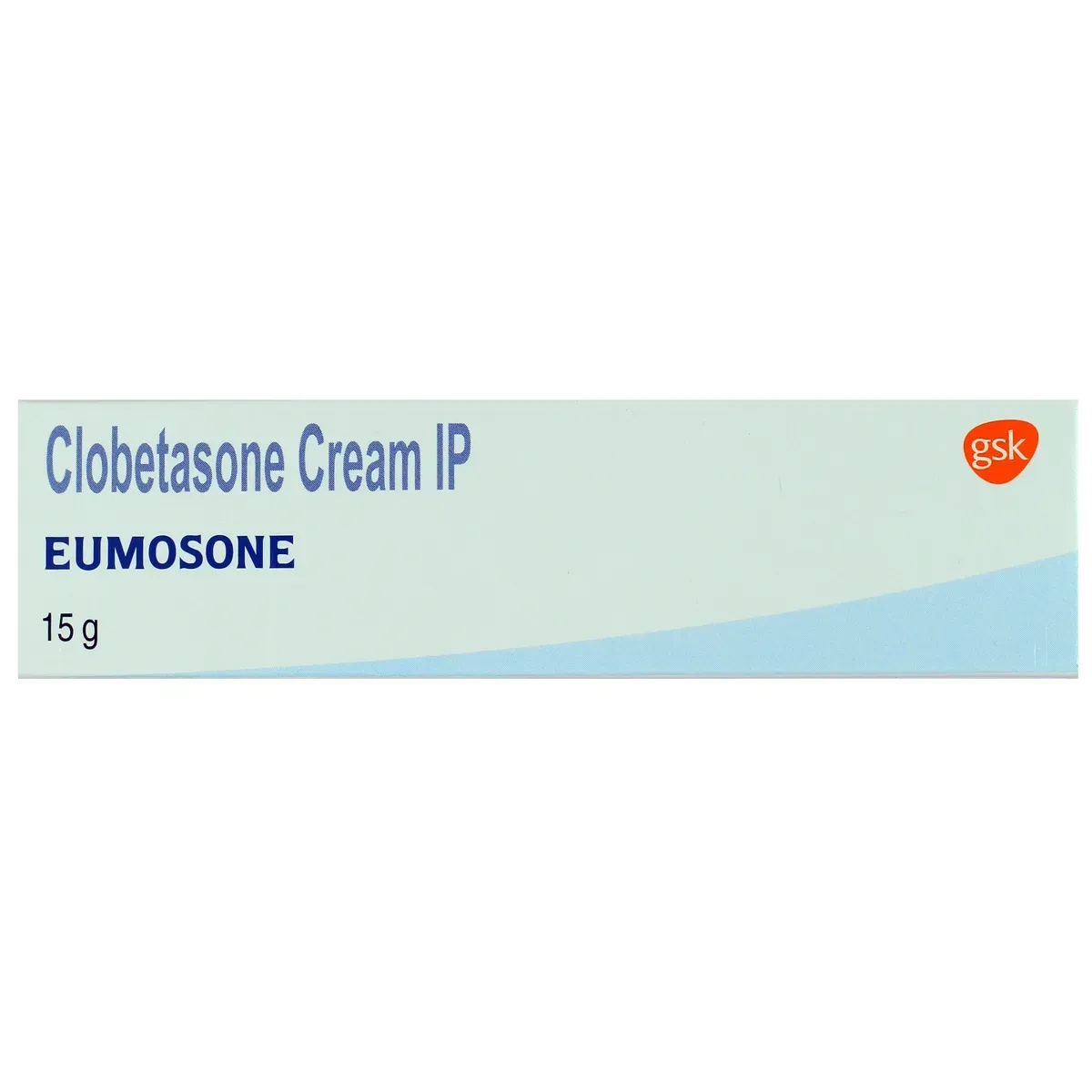
Eumosone Cream (Clobetasone)
Price range: $5.00 through $23.00
| Active Ingredient | Clobetasone |
|---|---|
| Manufacturer | GlaxoSmithKline Pharmaceuticals Ltd |
| Packaging | 15 gm in 1 tube |
| Strength | 0.05% |
| Delivery Time | 6 To 15 days |
| SKU: | Eumosone Cream (Clobetasone) |
Eumosone Cream (Clobetasone): The Ultimate Guide to Soothing Inflamed, Itchy Skin
Dealing with persistent skin inflammation, severe itching, and red, flaky patches can significantly affect your daily comfort and quality of life. Conditions like eczema, dermatitis, and psoriasis often flare up unpredictably, leaving the skin compromised, irritated, and prone to further damage from constant scratching. Finding a safe, effective, and targeted treatment to calm these symptoms is essential for restoring your skin barrier. That is where Eumosone Cream (Clobetasone) comes in as a trusted, dermatologist-recommended solution.
Formulated specifically to control inflammatory skin conditions without the high risk of skin thinning associated with stronger topical steroids, Eumosone Cream provides reliable relief for both acute flare-ups and delicate skin areas.
In this comprehensive guide, we will break down everything you need to know about Eumosone Cream (Clobetasone)—from its core active ingredient and medical uses to step-by-step application instructions, potential side effects, safety precautions, and how it compares to other topical corticosteroids.
What is Eumosone Cream (Clobetasone)?
Eumosone Cream (Clobetasone) is a mild-to-moderate potency topical corticosteroid prescribed to relieve inflammation, swelling, redness, and itching associated with non-infectious skin conditions. Its primary active ingredient is Clobetasone Butyrate (0.05% w/w).
In the classification of topical corticosteroids, Clobetasone Butyrate is categorized as a moderately potent (Class 6/7) steroid. This key classification makes Eumosone Cream particularly versatile: it is strong enough to effectively suppress moderate eczema and allergic dermatitis, yet gentle enough to be used on sensitive areas or for longer durations under medical supervision compared to ultra-potent steroids like Clobetasol Propionate.
Product Specifications
| Feature | Details |
| Active Ingredient | Clobetasone Butyrate (0.05% w/w) |
| Pharmacological Class | Moderate Topical Corticosteroid |
| Primary Indication | Eczema, Atopic Dermatitis, Contact Dermatitis, Seborrheic Dermatitis |
| Formulation | Smooth, non-greasy emollient cream base |
| Application Frequency | Once to twice daily (as advised by a healthcare professional) |
How Does Eumosone Cream (Clobetasone) Work?
To understand how Eumosone Cream (Clobetasone) relieves skin discomfort, it helps to examine what happens beneath the skin surface during an inflammatory flare-up.
When your skin reacts to an allergen, environmental trigger, or autoimmune response, immune cells release inflammatory chemicals called prostaglandins and leukotrienes. These substances expand local blood vessels, leading to visible redness, swelling, fluid leakage, and intense itching that triggers the urge to scratch.
Eumosone Cream works through three primary physiological mechanisms:
1. Inhibiting Inflammatory Mediators
Clobetasone Butyrate induces the production of inhibitory proteins called lipocortins. These proteins block phospholipase A2, an enzyme responsible for releasing arachidonic acid—the precursor to inflammatory prostaglandins and leukotrienes. By blocking this chemical chain reaction at its source, Eumosone Cream rapidly reduces localized swelling, redness, and heat.
2. Suppressing Excessive Immune Response
Topical corticosteroids modify the local immune reaction within the epidermis and dermis. By reducing the activity and migration of inflammatory cells (such as T-lymphocytes and mast cells), the cream prevents the immune system from overreacting to minor irritants.
3. Relief from the “Itch-Scratch Cycle”
Itching (pruritus) is often the most distressing symptom of eczema and dermatitis. Scratching damages the protective outer layer of the skin (stratum corneum), exposing it to secondary bacterial infections and causing further inflammation. Eumosone Cream dampens nerve-ending sensitivity in the skin, breaking the itch-scratch cycle and giving the skin barrier time to repair itself.
Primary Uses and Conditions Treated
Dermatologists prescribe Eumosone Cream (Clobetasone) for a wide range of non-infectious, inflammatory dermatoses:
1. Atopic Eczema (Atopic Dermatitis)
Atopic eczema causes dry, red, itchy, and cracked patches of skin. Eumosone Cream calms active flare-ups, restores skin comfort, and reduces the need for constant scratching.
2. Contact Dermatitis (Allergic and Irritant)
Whether caused by exposure to harsh detergents, metals (like nickel), soaps, or specific cosmetics, contact dermatitis results in sudden localized inflammation. Applying Eumosone Cream rapidly reduces the acute allergic response.
3. Seborrheic Dermatitis
This condition causes red, scaly, oily patches, often affecting the face, ears, and chest. Eumosone Cream helps soothe the underlying erythema and scaling without causing excessive grease build-up.
4. Insect Bite Reactions and Polymorphic Light Eruptions
Exaggerated immune reactions to insect bites, stings, or mild sun allergies can cause severe localized swelling and intense itching. Eumosone Cream offers prompt relief for these acute symptoms.
5. Intertrigo and Sensitive Skin Areas
Intertrigo is an inflammatory skin condition caused by skin-on-skin friction in skin folds (such as under the breasts, in the groin, or under armpits). Because Clobetasone Butyrate is a moderate-potency steroid, it is often preferred for these thinner, sensitive skin areas where high-potency steroids could cause rapid thinning.
Key Benefits of Eumosone Cream (Clobetasone)
Choosing Eumosone Cream (Clobetasone) under proper medical guidance offers distinct clinical advantages:
-
Balanced Potency and Safety: Delivers meaningful relief from moderate inflammation while maintaining a significantly lower risk profile than potent or super-potent steroids.
-
Rapid Symptom Relief: Noticeably cools burning sensations, eases itching, and reduces redness within 24 to 48 hours of starting treatment.
-
Cosmetically Elegant Formulation: The water-miscible cream base absorbs smoothly into the skin without leaving a heavy, sticky, or greasy residue, making it ideal for daytime application.
-
Reduces Risk of Secondary Infection: By eliminating the intense desire to scratch, the cream helps prevent skin abrasions that allow bacteria to enter.
-
Suitable for Maintenance and Step-Down Therapy: Dermatologists frequently use Eumosone Cream as a “step-down” treatment after initial flare-ups have been controlled with stronger steroids.
Step-by-Step Guide: How to Apply Eumosone Cream Correctly
Proper application technique ensures that you achieve optimal therapeutic results while minimizing the risk of adverse skin reactions. Follow this step-by-step application protocol:
Step 1: Cleanse the Affected Area
Gently wash the affected skin with lukewarm water and a mild, fragrance-free cleanser. Pat the area dry with a clean, soft towel. Avoid scrubbing or rubbing irritated skin.
Step 2: Wash Your Hands
Clean your hands thoroughly with soap and water before handling the cream to avoid introducing bacteria to vulnerable, compromised skin.
Step 3: Apply Using the Fingertip Unit (FTU) Guide
Dermatologists recommend measuring topical creams using the Fingertip Unit (FTU) method to avoid over-application:
What is a Fingertip Unit (FTU)?
One FTU is the amount of cream squeezed from a standard tube along the last joint of an adult’s index finger (from the tip to the first crease). One FTU (approximately 0.5 grams) covers an area equal to two adult flat hands placed side-by-side.
-
Apply a very thin layer of Eumosone Cream (Clobetasone) only to the inflamed patches of skin.
-
Gently rub the cream in until it disappears into the skin.
-
Do not apply thick layers; extra cream will not speed up healing and increases the risk of side effects.
Step 4: Wash Hands After Application
Unless your hands are the area being treated, wash your hands immediately after applying the cream to prevent accidental transfer to your eyes, mouth, or healthy skin.
Step 5: Wait Before Applying Emollients/Moisturizers
If you are using a daily moisturizing lotion or barrier repair cream (which is essential for eczema management), wait at least 15 to 30 minutes after applying Eumosone Cream before smoothing on your moisturizer. This prevents diluting the steroid or spreading it onto unaffected skin.
Dosage and Treatment Duration
The application frequency and duration of Eumosone Cream (Clobetasone) must strictly follow your physician’s instructions:
-
Standard Dosage: Typically applied once or twice daily. As inflammation improves, your doctor will likely advise reducing application to once daily or every other day before stopping entirely.
-
Treatment Duration: For adults, treatment courses are generally kept short—typically 1 to 2 weeks. Do not use topical steroids continuously for long periods without regular dermatological review.
-
Tapering Off: For chronic eczema flare-ups, stopping steroids abruptly can occasionally cause a rebound flare. Your doctor may recommend gradually reducing the frequency of use to prevent this.
What to Expect: Treatment Timeline
When using Eumosone Cream (Clobetasone) consistently as prescribed, you can anticipate a predictable progression of skin recovery:
-
Days 1 to 2: The intensity of itching and burning subsides significantly. Redness begins to soften.
-
Days 3 to 5: Swelling and inflammation flatten out. Flaking or scaling skin begins to smooth over as the skin barrier stabilizes.
-
Days 7 to 14: Most moderate flare-ups resolve completely, leaving the skin clear, calm, and ready to be maintained with daily barrier repair emollients alone.
Potential Side Effects and How to Prevent Them
While Eumosone Cream (Clobetasone) is moderate in strength and generally well-tolerated, side effects can occur—especially if the product is misused, applied over excessively large areas, or used for prolonged periods.
Common, Mild Side Effects (Usually Temporary)
-
Mild Burning or Stinging: A brief tingling sensation upon initial application on cracked or broken skin.
-
Local Irritation: Slight dryness or temporary redness around the treated area.
Side Effects Associated with Long-Term or Excessive Use
Using topical steroids continuously for weeks or months without a break can lead to more serious dermatological changes:
-
Skin Atrophy (Skin Thinning): The skin becomes thin, delicate, and easily bruised.
-
Telangiectasia: Fine, visible spider veins forming beneath the surface of the skin.
-
Striae (Stretch Marks): Permanent reddish or purplish lines in areas of thin skin, particularly in skin folds.
-
Steroid Rosacea / Perioral Dermatitis: Small red bumps and pustules around the mouth or cheeks, often caused by applying steroids to the face for extended periods.
-
Systemic Absorption: Applying large amounts over extensive body surfaces under occlusive dressings can lead to systemic steroid absorption, potentially affecting the adrenal glands (Adrenal Suppression).
How to Minimize Risk
-
Use the minimum amount required to cover the affected area.
-
Limit treatment duration to the timeframe recommended by your doctor.
-
Avoid using tight, airtight (occlusive) bandages over the treated area unless specifically directed by a healthcare provider.
-
Avoid applying to the delicate skin of the face, eyelids, or groin unless explicitly prescribed by a dermatologist.
Precautions and Safety Guidelines
Before using Eumosone Cream (Clobetasone), review these essential safety precautions:
1. Do Not Use on Untreated Skin Infections
Topical steroids suppress local immune responses. Applying Eumosone Cream to active bacterial infections (impetigo), viral infections (cold sores, chickenpox, shingles), or fungal infections (ringworm, athlete’s foot, thrush) can cause the infection to spread rapidly. If an infection is present, your doctor must prescribe an appropriate antimicrobial agent alongside or prior to steroid therapy.
2. Facial Application Caution
Facial skin is thin and highly sensitive to steroid-induced side effects like skin thinning and perioral dermatitis. If prescribed for facial eczema, Eumosone Cream should typically be used for no more than 5 days. Keep the cream strictly away from the eyes to prevent risks of increased intraocular pressure, glaucoma, or cataracts.
3. Use in Children and Infants
Infants and children have a higher surface-area-to-body-weight ratio and thinner skin, making them more susceptible to topical steroid absorption and side effects. Eumosone Cream should only be used in pediatric patients under direct medical supervision, with treatment strictly limited to the shortest effective duration (often 5 to 7 days).
4. Pregnancy and Breastfeeding
While Clobetasone Butyrate is topically applied and minimally absorbed when used correctly, pregnant or breastfeeding women should consult their obstetrician or dermatologist before use. If used while breastfeeding, do not apply the cream directly to the breasts or chest area to avoid accidental ingestion by the infant.
Eumosone Cream vs. Other Topical Corticosteroids
Understanding where Eumosone Cream (Clobetasone) sits in the spectrum of topical steroids clarifies why your doctor chose this specific medication:
| Drug Name | Potency Level | Typical Uses | Relative Side Effect Risk |
| Hydrocortisone (1%) | Mild (Class 7) | Very mild facial eczema, insect bites | Very Low |
| Clobetasone Butyrate (0.05%) (Eumosone) | Moderate (Class 5/6) | Moderate eczema, contact dermatitis, sensitive areas | Low to Moderate |
| Betamethasone Valerate (0.1%) | Potent (Class 3) | Severe body eczema, stubborn plaque psoriasis | Moderate to High |
| Clobetasol Propionate (0.05%) | Super-Potent (Class 1) | Severe, resistant dermatoses, thick plaques | High |
Note: Do not confuse Clobetasone (moderate potency) with Clobetasol (super-potent). Despite the similar names, Clobetasol is significantly stronger and requires stricter usage limits.
Frequently Asked Questions (FAQs)
1. Is Eumosone Cream the same as Clobetasol?
No. Although their names sound similar, Clobetasone (found in Eumosone) is a moderately potent corticosteroid, whereas Clobetasol is a super-potent corticosteroid. Clobetasol is many times stronger and carries a much higher risk of side effects. Always double-check your prescription label.
2. Can I use Eumosone Cream as a daily face moisturizer?
Absolutely not. Eumosone Cream is a active medical treatment, not a cosmetic moisturizer. Using topical steroids daily on the face as a regular moisturizer can cause permanent skin thinning, broken blood vessels, and severe rebound breakouts (perioral dermatitis).
3. How long does it take for Eumosone Cream to work?
Most patients experience noticeable relief from itching and redness within 24 to 48 hours. Significant clearing of moderate eczema patches typically occurs within 7 to 10 days of consistent application.
4. Can Eumosone Cream be used for acne or pimples?
No. Eumosone Cream should never be applied to acne. Topical steroids suppress local immunity, which can aggravate bacterial growth inside pores, worsening acne breakouts and leading to steroid-induced acne.
5. What should I do if I miss a dose?
If you forget to apply Eumosone Cream, apply it as soon as you remember. However, if it is almost time for your next scheduled application, skip the missed dose and resume your regular schedule. Do not double up on cream to make up for a missed application.
6. Can I buy Eumosone Cream over the counter?
In many regions, Eumosone Cream is available primarily by prescription, though lower pack sizes of Clobetasone Butyrate may be available over-the-counter under specific pharmacy supervision for short-term eczema management. Always consult a doctor or pharmacist before starting treatment.
7. Does Eumosone Cream cure eczema permanently?
There is currently no permanent cure for underlying eczema or atopic dermatitis. Eumosone Cream is an effective symptom-management tool that calms active inflammatory flare-ups. Once the flare-up is controlled, long-term management relies on daily emollient moisturizers and avoiding personal triggers.
8. What happens if I stop using Eumosone Cream abruptly?
For short 5 to 7 day treatment courses, stopping abruptly is generally fine. However, if you have been using Eumosone Cream for several weeks, stopping suddenly can cause a temporary flare-up of redness and itching (rebound effect). Your doctor can guide you on tapering usage gradually.
Summary and Final Thoughts
Skin conditions like eczema, contact dermatitis, and seborrheic inflammation do not have to disrupt your life or cause constant physical discomfort. Eumosone Cream (Clobetasone) provides an effective, dermatologist-approved middle ground in corticosteroid therapy—offering the anti-inflammatory strength needed to clear moderate flare-ups while maintaining a high safety profile.
By applying the cream correctly using the Fingertip Unit guide, limiting application to inflamed areas, keeping treatment durations within recommended limits, and maintaining your daily skin barrier with moisturizers, you can safely achieve clear, comfortable, and calm skin.
Medical Disclaimer: This article is for educational and informational purposes only and does not constitute formal medical advice, diagnosis, or treatment. Always consult a qualified physician, dermatologist, or healthcare provider regarding any medical condition or before starting any new topical prescription medication.
Additional information
| unit | 1 Cream, 3 Cream, 6 Cream |
|---|




Reviews
There are no reviews yet.