
- “Tazret Forte Cream (Tazarotene)” already exists in your wishlist
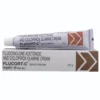
Flucort C Cream (Fluocinolone & Ciclopirox)
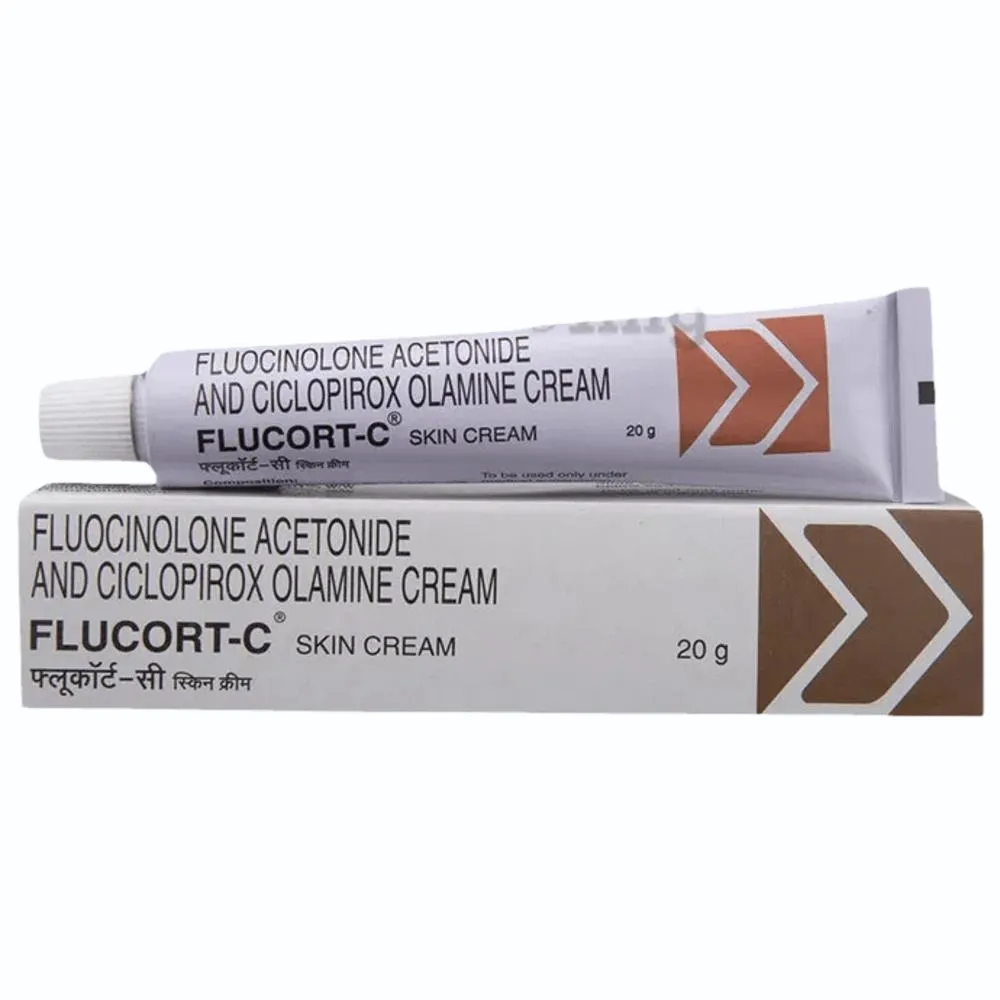
Price range: $6.00 through $33.00
| Active Ingredient | Fluocinolone |
|---|---|
| Manufacturer | Glenmark Pharmaceuticals Ltd. |
| Packaging | 20 gm in 1 tube, 30 gm in 1 tube |
| Strength | 20g |
| Delivery Time | 6 To 15 days |
| SKU: | Flucort C Cream (Fluocinolone/Ciclopirox) |
Flucort C Cream (Fluocinolone & Ciclopirox): The Ultimate Guide to Managing Fungal and Inflammatory Skin Conditions
Dealing with stubborn skin rash, incessant itching, severe redness, or persistent flaking can significantly disrupt daily life. When a skin condition involves both an underlying fungal infection and severe inflammatory symptoms, standard single-ingredient creams often fall short. That is where Flucort C Cream (Fluocinolone & Ciclopirox) comes in as a powerful, dual-action dermatological solution.
Formulated to tackle dual-origin skin disorders, Flucort C Cream combines a potent topical corticosteroid with a broad-spectrum antifungal agent. This unique combination rapidly soothes distressing symptoms like swelling, redness, and severe itching while simultaneously eliminating the underlying fungal or yeast infection.
In this comprehensive guide, we will break down everything you need to know about Flucort C Cream (Fluocinolone & Ciclopirox)—including its active ingredients, mechanism of action, key benefits, proper application techniques, potential side effects, safety precautions, and long-term care guidelines.
What is Flucort C Cream (Fluocinolone & Ciclopirox)?
By combining a mild-to-moderate potency topical steroid with a sophisticated hydroxypyridone antifungal, this cream provides immediate symptomatic relief alongside targeted antimicrobial action.
Active Ingredient Breakdown
| Active Ingredient | Concentration (Typical) | Pharmacological Class | Primary Function |
| Fluocinolone Acetonide | 0.025% w/w | Topical Corticosteroid | Reduces inflammation, swelling, itching, and redness |
| Ciclopirox Olamine | 1.0% w/w | Hydroxypyridone Antifungal | Destroys fungi, yeasts, and dermatophytes at the cellular level |
By merging these two distinct therapeutic agents into a single emollient cream base, Flucort C Cream offers a holistic approach to treating compromised skin barriers affected by fungal overgrowth and immune system reactivity.
How Flucort C Cream Works: The Power of Dual Action
To understand why Flucort C Cream (Fluocinolone & Ciclopirox) is so highly effective, it helps to look at how fungal skin infections and inflammatory reactions feed off one another.
When fungi invade the upper layers of the skin (stratum corneum), the body’s immune system responds by sending inflammatory cells to the area. This triggers intense itching, heat, scaling, and redness. Scratching the area further damages the skin barrier, allowing the infection to spread and worsening the inflammatory cycle. Flucort C Cream disrupts this vicious cycle through two distinct actions.
1. The Anti-Inflammatory Action of Fluocinolone Acetonide
Fluocinolone Acetonide is a synthetic corticosteroid designed to regulate hyperactive cutaneous immune responses.
-
Inhibits Inflammatory Chemical Messengers: It works inside skin cells to suppress the release of prostaglandins, leukotrienes, and histamines—the primary chemical compounds responsible for swelling, pain, flushing, and intense itching.
-
Constricts Blood Vessels (Vasoconstriction): By narrowing dilated blood capillaries near the skin surface, Fluocinolone rapidly reduces localized redness, warmth, and fluid buildup (edema).
-
Provides Fast Symptom Relief: While the antifungal component works on eradicating the infection, Fluocinolone delivers immediate physical comfort so you stop scratching, allowing the skin to heal.
2. The Broad-Spectrum Antifungal Action of Ciclopirox Olamine
Unlike traditional azole antifungals (such as clotrimazole or ketoconazole) that primarily inhibit ergosterol synthesis, Ciclopirox Olamine functions via a complex, multi-targeted metabolic mechanism.
-
Chelates Polyvalent Cations: Ciclopirox binds to essential trivalent iron ($Fe^{3+}$) and aluminum ions inside fungal cells.
-
Inhibits Metal-Dependent Enzymes: By depleting these critical ions, it shuts down key fungal enzymes (like catalase and cytochromes) necessary for cellular respiration and energy production.
-
Disrupts Cell Wall Transport: It alters fungal cell membrane permeability, preventing the absorption of essential nutrients and leading to rapid fungal cell death.
-
Combats Dermatophytes, Yeasts, and Molds: Ciclopirox is effective against a vast spectrum of pathogens, including Trichophyton, Microsporum, Epidermophyton, and Candida species.
Key Benefits of Flucort C Cream (Fluocinolone & Ciclopirox)
Using a combination therapy like Flucort C Cream (Fluocinolone & Ciclopirox) provides distinct advantages over using single-agent topical treatments:
-
Simultaneous Infection Control & Rapid Relief: Antifungals alone can take days or weeks to reduce itching, while steroids alone can worsen fungal growth. Flucort C Cream balances both, stopping infection while silencing itching.
-
Breaks the Itch-Scratch Cycle: Rapid itch relief prevents fingernail trauma, reducing the risk of secondary bacterial skin infections.
-
Versatile Pathogen Coverage: Ciclopirox Olamine is active against dermatophytes, yeasts, and even certain gram-negative and gram-positive bacteria, ensuring comprehensive coverage.
-
Faster Clinical Healing: Dual-action treatment reduces lesion size, scaling, and inflammation faster than standalone antifungal therapy.
-
Improved Compliance: Combining two essential medications into one easy-to-apply cream simplifies your daily routine and ensures consistent treatment adherence.
Conditions Treated by Flucort C Cream
Dermatologists prescribe Flucort C Cream (Fluocinolone & Ciclopirox) for a wide array of mixed inflammatory-fungal dermatoses, including:
1. Inguinal Tinea (Jock Itch / Tinea Cruris)
Fungal infections in the groin and inner thigh folds often present with intense inflammation, severe chafing, and painful itching. Flucort C Cream kills the fungal dermatophyte while instantly soothing groin irritation.
2. Tinea Corporis (Ringworm of the Body)
Characterized by red, scaly, ring-like patches with raised borders. The cream clears the fungal infection and flattens elevated, itchy lesion edges.
3. Tinea Pedis (Athlete’s Foot)
Fungal infections between the toes or on the soles of the feet frequently involve severe scaling, cracking, burning, and inflammation.
4. Seborrheic Dermatitis & Inflammatory Candidiasis
Intertriginous candidiasis (fungal infection in skin folds like under the breasts or armpits) and severe seborrheic dermatitis often involve underlying yeast overgrowth (Candida or Malassezia) combined with severe inflammatory scaling and redness.
5. Infected Eczema or Contact Dermatitis
Eczematous lesions that have developed secondary fungal infections benefit from the barrier-restoring, anti-inflammatory, and antimicrobial properties of this combination cream.
Step-by-Step Guide: How to Apply Flucort C Cream Correctly
To maximize therapeutic benefits and protect your skin health, follow this step-by-step application protocol:
Step 1: Wash Your Hands and Cleanse the Area
Wash your hands thoroughly with soap and water. Cleanse the affected skin gently using a mild, fragrance-free cleanser and warm water. Avoid scrubbing aggressively with washcloths, as this damages inflamed skin further.
Step 2: Dry Completely
Pat the skin completely dry with a clean, dry towel. Fungi thrive in warm, moist environments, so ensuring the skin fold or lesion is 100% dry before application is critical.
Step 3: Apply a Thin Layer
Squeeze a small amount of Flucort C Cream (Fluocinolone & Ciclopirox) onto your fingertip. Apply a very thin film over the affected skin area and gently rub it in until fully absorbed.
Crucial Rule: Apply only a thin layer. Using excessive cream will not speed up healing, but it will increase the risk of steroid absorption and side effects.
Step 4: Include a Healthy Margin
Smooth the cream slightly past the visible edge of the red, inflamed border (about half an inch into surrounding healthy skin) to ensure stray microscopic fungal spores are eradicated.
Step 5: Wash Hands Post-Application
Unless your hands are the designated treatment area, wash your hands thoroughly after application to prevent transferring the cream or fungal spores to other parts of your body or face.
Step 6: Leave the Area Uncovered
Unless explicitly directed by your physician, do not cover, bandage, or wrap the treated area with occlusive dressings. Occlusion dramatically increases steroid absorption into the bloodstream, elevating the risk of systemic side effects.
Recommended Application Frequency and Duration
How often and how long you use Flucort C Cream (Fluocinolone & Ciclopirox) depends strictly on your dermatologist’s diagnosis:
-
Typical Frequency: Applied once or twice daily (usually morning and evening).
-
Treatment Duration: Short-term use is standard. Combination steroid-antifungal creams are generally prescribed for 1 to 2 weeks.
-
The “Tapering” Concept: Once severe inflammation and itching subside (usually within 5 to 7 days), your doctor may recommend switching to a standalone antifungal cream to finish clearing the fungus safely.
What to Expect: Realistic Healing Timeline
Patience and consistency are necessary when treating fungal skin infections:
-
Days 1 to 3: Significant reduction in itching, burning, and heat. Redness begins to fade, allowing for comfortable sleep and daily activities.
-
Days 4 to 7: Scaling, peeling, and skin swelling decrease noticeably. The lesion borders flatten and fade.
-
Days 7 to 14: Skin clearing is largely achieved. Underlying fungal pathogens are controlled, and healthy skin barrier function returns.
Potential Side Effects and How to Manage Them
Flucort C Cream (Fluocinolone & Ciclopirox) is safe and effective when used as directed. However, because it contains a active topical steroid, improper or prolonged usage can lead to localized or systemic side effects.
Localized Side Effects (Common & Mild)
-
Mild Burning or Stinging: A temporary warm sensation immediately after application.
-
Local Dryness or Peeling: As inflamed skin heals, light flaking may occur.
-
Mild Skin Irritation: Transient localized redness in sensitive individuals.
Long-Term / High-Dose Side Effects (Uncommon)
Using the cream continuously for more than 2 to 3 weeks, applying it over large surface areas, or using occlusive bandages can trigger steroid-related side effects:
-
Cutaneous Atrophy (Skin Thinning): The skin becomes thin, fragile, and easily bruised.
-
Telangiectasia: Tiny, visible spider veins forming on the treated area.
-
Striae (Stretch Marks): Permanent reddish or purple lines, particularly in skin folds like the groin or armpits.
-
Perioral Dermatitis or Acneiform Eruptions: Bumps resembling acne if applied near the face.
-
Rebound Effect: Sudden worsening of inflammation if treatment is stopped abruptly after prolonged use.
How to Prevent Side Effects
-
Never use the cream for longer than prescribed (typically max 14 continuous days).
-
Do not use it on your face, eyelids, or underarms unless specifically instructed by a dermatologist.
-
Do not use it as an everyday moisturizer or for unapproved uses like diaper rash or insect bites.
Important Precautions and Warnings
Before using Flucort C Cream (Fluocinolone & Ciclopirox), review these crucial safety parameters:
1. Pregnancy and Breastfeeding
Fluocinolone is a topical corticosteroid. Topical steroids and antifungals should be used during pregnancy only if the potential benefit justifies the risk to the fetus. Nursing mothers should avoid applying the cream directly to the chest or nipple area to prevent accidental ingestion by an infant. Always consult your obstetrician before use.
2. Viral and Bacterial Infections
Do not use Flucort C Cream on lesions caused by viral infections (such as Herpes Simplex, Chickenpox, or Cold Sores) or primary bacterial infections (such as Impetigo). Steroids suppress localized immunity and can cause viral or bacterial infections to spread rapidly.
3. Avoid Facial Application
Facial skin is exceptionally thin and sensitive to steroids. Applying Flucort C Cream to the face can cause severe rebound redness, skin thinning, and rosacea-like flares.
4. Pediatric Use
Children have a higher surface-area-to-body-mass ratio, making them significantly more susceptible to systemic absorption of topical steroids (which can temporarily suppress growth or adrenal function). Use in pediatric patients requires strict pediatric supervision and minimal application duration.
Flucort C Cream vs. Alternative Treatments
Understanding how Flucort C Cream (Fluocinolone & Ciclopirox) compares to alternative topical creams clarifies its specific clinical role:
| Feature | Flucort C Cream | Standalone Ciclopirox Cream | Standalone Fluocinolone Cream | Clotrimazole + Betamethasone |
| Active Ingredients | Fluocinolone + Ciclopirox | Ciclopirox Olamine | Fluocinolone Acetonide | Clotrimazole + Betamethasone |
| Primary Indication | Mixed Inflammatory-Fungal Acne/Rash | Pure Fungal Infections | Eczema, Psoriasis (Non-fungal) | Mixed Inflammatory-Fungal Lesions |
| Itch & Redness Relief | Immediate & Potent | Gradual (As fungus dies) | Immediate & Potent | Immediate & Potent |
| Kills Fungus? | Yes | Yes | No (Worsens fungal infections) | Yes |
| Steroid Potency | Mild to Moderate | None | Mild to Moderate | High / Potent |
Frequently Asked Questions (FAQs)
1. Is Flucort C Cream an antibiotic cream?
No. Flucort C Cream contains an antifungal agent (Ciclopirox) and a topical steroid (Fluocinolone). It is specifically designed to kill fungal spores and reduce skin inflammation, not to treat primary bacterial infections.
2. Can I use Flucort C Cream for ringworm?
Yes, if the ringworm lesion is severely inflamed, swollen, or intensely itchy. However, because it contains a steroid, you should use it only for a short period (5 to 7 days) to soothe symptoms, then transition to a plain antifungal cream if advised by your doctor.
3. What happens if I stop using Flucort C Cream suddenly?
If used for a short duration (under 10 days), stopping normally causes no issues. However, if used continuously for several weeks, stopping abruptly can cause a “rebound flare,” where redness and itching return worse than before. Always taper usage under medical guidance.
4. Can Flucort C Cream be used for diaper rash in infants?
No. You should never apply Flucort C Cream for diaper rash unless explicitly directed by a pediatrician. Diaper coverings act as tight occlusive dressings, causing excessive absorption of Fluocinolone into an infant’s system, which can cause harm.
5. Can I apply makeup or moisturizer over Flucort C Cream?
If applying to the face (under strict medical order), wait at least 15 to 20 minutes after applying Flucort C Cream to allow full skin absorption before applying light, non-comedogenic moisturizers or cosmetics.
6. Will Flucort C Cream lighten my skin?
Fluocinolone can temporarily lighten skin pigmentation (post-inflammatory hypopigmentation) at the application site due to local blood vessel constriction and reduced melanin activity. Normal skin pigmentation typically returns after treatment is discontinued.
7. How should I store Flucort C Cream?
Store the tube at room temperature (below 25°C / 77°F), away from direct heat, moisture, and direct sunlight. Keep the tube tightly closed when not in use, and keep it safely out of reach of children.
Final Verdict & Medical Summary
When dealing with complex skin conditions where fungal overgrowth triggers painful inflammation and severe itching, Flucort C Cream (Fluocinolone & Ciclopirox) offers an exceptional, dual-action therapeutic approach. By pairing the broad-spectrum antifungal power of Ciclopirox with the proven anti-inflammatory relief of Fluocinolone, it restores physical comfort while clearing the root cause of infection.
To ensure safe and lasting results, always use Flucort C Cream as a targeted, short-term treatment under the guidance of a qualified dermatologist, maintain excellent hygiene practices, and protect your skin barrier.
Medical Disclaimer: The information provided in this article is for educational and informational purposes only and does not constitute formal medical advice, diagnosis, or treatment. Always seek the advice of a qualified physician or dermatologist regarding any medical condition or before starting any new topical treatment.
Additional information
| unit | 1 Cream, 3 Cream, 6 Cream |
|---|



Reviews
There are no reviews yet.