
Ivermaxx 80 mg (Ivermectin)

Price range: $200.00 through $600.00
| Active Ingredient: | Ivermectin |
|---|---|
| Indication: | Parasitic infections, Anti-Worm |
| Manufacturer: | Winlife Pharma |
| Packaging: | 10 tablets in 1 strip |
| Strength: | 80mg |
| Delivery Time: | 10 to 15 days |
Ivermaxx 80 mg – High-Strength Ivermectin for Veterinary and Specialized Parasitic Treatment
What is Ivermaxx 80 mg?
Ivermaxx 80 mg is a high-potency formulation containing Ivermectin 80 mg, representing a significantly stronger concentration than standard human antiparasitic doses. This pharmaceutical-grade medication belongs to the anthelmintic class and is primarily utilized in veterinary medicine or for specialized parasitic conditions requiring higher-dose protocols under strict medical supervision.
Critical Notice: The 80 mg strength substantially exceeds typical human therapeutic doses (usually 3-12 mg). This formulation demands exceptional caution and should only be used under direct medical or veterinary professional guidance.
Ivermectin remains a WHO Essential Medicine recognized for its antiparasitic efficacy, but dosing must be precisely calibrated to body weight, species (for veterinary use), and specific parasitic condition to ensure safety and effectiveness.
Key Product Information:
- Active Ingredient: Ivermectin 80 mg
- Available Strengths: 80 mg (specialized high-dose formulation)
- Dosage Form: Oral tablets
- Manufacturer: Information varies by supplier/distributor
- Prescription Category: Rx (Strict Prescription Required)
- Primary Use Context: Veterinary applications or specialized human parasitic infections
- Storage: Room temperature (20-25°C), protected from moisture and light
How Does Ivermaxx Work? Understanding the Mechanism
Ivermaxx 80 mg operates through the same sophisticated antiparasitic mechanism as lower-dose Ivermectin formulations, but delivers substantially higher concentrations for specific therapeutic requirements.
Targeted Parasite Disruption:
Neuromuscular Paralysis of Parasites: Ivermectin selectively binds to glutamate-gated chloride ion channels located exclusively in invertebrate nerve and muscle cells. This binding action triggers:
- Increased Cell Membrane Permeability: Chloride ions flood into parasite cells
- Hyperpolarization: Nerve and muscle cells become unable to transmit signals
- Paralysis: Parasites lose mobility and feeding capability
- Elimination: Immobilized parasites are expelled from the host organism
Species-Specific Safety Profile:
Why Higher Doses Require Extreme Caution:
- Mammals possess a blood-brain barrier that typically prevents Ivermectin from reaching CNS chloride channels
- At excessive doses or in susceptible individuals, this protective barrier may be compromised
- Certain genetic variations (MDR1/ABCB1 gene mutations) increase CNS penetration risk
- Animals and humans with P-glycoprotein deficiencies face elevated neurological toxicity risk
Immunomodulatory Properties: Emerging research suggests Ivermectin influences inflammatory pathways and immune responses, though these mechanisms continue under scientific investigation.
Approved Medical Uses and Therapeutic Applications
CRITICAL ADVISORY: Ivermaxx 80 mg represents a specialized, high-strength formulation. Therapeutic applications differ significantly from standard-dose Ivermectin products.
Primary Veterinary Applications:
✓ Large Animal Parasitic Infections – Treatment of endoparasites and ectoparasites in livestock, horses, and large companion animals
✓ Heartworm Prevention – Monthly prophylaxis in dogs (when appropriately dosed)
✓ Mange and Mite Infestations – Control of sarcoptic and demodectic mange in animals
✓ Gastrointestinal Parasites – Broad-spectrum treatment for roundworms, lungworms, and other helminths
✓ External Parasites – Elimination of lice, ticks, and fly larvae in livestock
Specialized Human Medical Uses (Under Strict Supervision):
✓ Severe Strongyloidiasis – Disseminated or complicated intestinal strongyloidiasis requiring higher therapeutic concentrations
✓ Crusted (Norwegian) Scabies – Hyperinfestation requiring aggressive treatment protocols
✓ Mass Drug Administration Programs – Community-wide parasitic control in endemic regions (dose adjusted per individual weight)
✓ Refractory Parasitic Infections – Cases unresponsive to standard-dose therapy
ABSOLUTE REQUIREMENT: Any human use of 80 mg formulations demands:
- Precise body weight-based dosing calculations
- Comprehensive medical evaluation
- Exclusion of contraindications
- Professional monitoring for adverse effects
- Understanding that most patients will receive only a fraction of one tablet
Dosage Guidance and Administration Protocols
EMERGENCY WARNING: The information below is strictly educational. NEVER self-dose Ivermaxx 80 mg. Improper dosing can result in severe toxicity, neurological damage, or death.
Human Dosing Framework (When Medically Indicated):
Standard Ivermectin Dosing Principle:
- 200 mcg/kg body weight for most parasitic conditions
- For a 60 kg (132 lb) adult: 12 mg total dose
- For an 80 kg (176 lb) adult: 16 mg total dose
CRITICAL CALCULATION FOR 80 MG TABLETS: Since Ivermaxx contains 80 mg per tablet, most human patients require only a fraction of one tablet:
- 60 kg patient needs 12 mg = 15% (approximately 1/7th) of one 80 mg tablet
- 80 kg patient needs 16 mg = 20% (1/5th) of one 80 mg tablet
Impossibility of Accurate Home Division:
- Tablets cannot be precisely divided into sevenths or fifths
- Unequal drug distribution within tablets makes partial dosing dangerous
- Professional pharmaceutical compounding required for accurate dosing
Veterinary Dosing (Species-Dependent):
Large Animals (Cattle, Horses, Swine):
- Dose: 200-500 mcg/kg depending on parasite and species
- Route: Oral, injectable, or topical formulations
- Frequency: Single dose or repeated per veterinary protocol
Companion Animals:
- Dogs: 6-12 mcg/kg for heartworm prevention; higher for mange
- NEVER use in Collies, Shelties, or MDR1-mutant breeds without genetic testing
- Cats: Generally avoid; feline sensitivity varies
Administration Best Practices:
Timing and Method:
- Administer on empty stomach (1 hour before or 2 hours after food)
- Take with full glass of water
- Do not crush, split, or alter tablets without professional guidance
- For veterinary use, follow species-specific administration routes
Special Population Adjustments:
Pediatric Considerations:
- Calculate strictly by weight
- Not recommended under 15 kg body weight
- High-dose formulations inappropriate for children
Geriatric Patients:
- Enhanced sensitivity to side effects
- Liver and kidney function assessment essential
- Consider dose reduction based on individual factors
Hepatic/Renal Impairment:
- Significant impairment requires dose modification
- Enhanced monitoring for toxicity
Potential Side Effects and Safety Concerns:-
The 80 mg strength carries an amplified risk of adverse reactions, particularly if dosed incorrectly. Understanding potential effects enables early recognition and intervention.
Common Side Effects (Properly Dosed):
Gastrointestinal Disturbances:
- Nausea, vomiting, or stomach upset
- Diarrhea or constipation
- Abdominal cramping or discomfort
- Decreased appetite
Neurological Symptoms:
- Dizziness or lightheadedness
- Headache (mild to moderate)
- Drowsiness or fatigue
- Mild tremor
Dermatological Reactions:
- Skin rash, itching, or hives
- Mazzotti reaction (in onchocerciasis patients): fever, rash, lymph node swelling
- Temporary symptom exacerbation as parasites die
Systemic Effects:
- Muscle or joint aches
- Mild fever or malaise
- Swollen lymph nodes
Serious Adverse Effects (Seek Immediate Medical Care):
🚨 Neurological Toxicity (OVERDOSE RISK):
- Severe confusion, disorientation, or altered mental status
- Seizures or convulsions
- Loss of consciousness or coma
- Severe ataxia (loss of coordination)
- Vision disturbances or blindness
- Severe tremors or muscle twitching
🚨 Severe Allergic Reactions:
- Difficulty breathing or throat swelling
- Severe facial, lip, or tongue edema
- Extensive hives or skin blistering
- Anaphylactic shock (rare but life-threatening)
🚨 Cardiovascular Complications:
- Severe hypotension (dangerously low blood pressure)
- Rapid or irregular heartbeat
- Chest pain or cardiac symptoms
🚨 Hepatotoxicity:
- Jaundice (yellowing of skin or eyes)
- Dark urine or pale stools
- Severe abdominal pain
- Unexplained bruising or bleeding
🚨 Mazzotti Reaction (Severe): In patients with onchocerciasis or loiasis:
- High fever and rigors
- Severe joint and muscle pain
- Postural hypotension
- Tachycardia
- Ocular inflammation or vision loss
Comparison Table: Ivermaxx 80 mg vs. Alternative Ivermectin Products
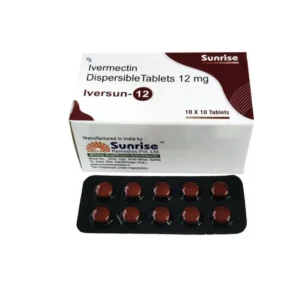
| Feature | Ivermaxx 80 mg | Iversun 12 mg | Stromectol 3 mg | Ivecop 6 mg | Veterinary Ivermectin |
|---|---|---|---|---|---|
| Active Ingredient | Ivermectin 80 mg | Ivermectin 12 mg | Ivermectin 3 mg | Ivermectin 6 mg | Ivermectin (various) |
| Strength Category | Ultra-high dose | High dose | Standard dose | Standard dose | Variable (often 1%) |
| Primary Use | Veterinary/Specialized | Human parasitic Rx | Human parasitic Rx | Human parasitic Rx | Animal treatment |
| Prescription Status | Strict Rx required | Rx required | Rx required | Rx required | Veterinary Rx |
| Typical Human Dose | Fraction of tablet | 1 tablet (60-80kg) | 3-4 tablets (60kg) | 2 tablets (60kg) | NOT for human use |
| Dosing Precision | Requires compounding | Direct dosing | Easy titration | Easy titration | Species-specific |
| Safety Profile | High risk if misused | Moderate risk | Lower risk | Lower risk | Animal-specific |
| Cost Efficiency | Variable | Moderate | Higher | Moderate | Veterinary pricing |
| Divisibility | Not recommended | Possible | Possible | Possible | Form-dependent |
| WHO Prequalified | N/A | Via manufacturer | Yes (original) | Via manufacturer | Veterinary standards |
Critical Insight: Higher strength does NOT mean “better” or “more effective.” Ivermaxx 80 mg poses significant dosing challenges and safety risks for human use compared to appropriately sized formulations (3-12 mg tablets).
Best Practice: Use human-formulated products in appropriate strengths rather than attempting to divide ultra-high-dose tablets.
Drug Interactions and Critical Medical Warnings
High-Priority Drug Interactions:
Central Nervous System Depressants (AMPLIFIED RISK):
- Benzodiazepines (diazepam, lorazepam, alprazolam)
- Barbiturates (phenobarbital, pentobarbital)
- Alcohol and sedatives
- Opioid analgesics
Effect: Synergistic CNS depression, increased risk of respiratory depression and profound sedation
P-Glycoprotein Inhibitors (DANGEROUS COMBINATION):
- Cyclosporine – Dramatically increases Ivermectin CNS penetration
- Verapamil, quinidine – Compromise blood-brain barrier protection
- Ketoconazole, itraconazole – Inhibit Ivermectin metabolism
Effect: Elevated Ivermectin brain concentrations leading to severe neurotoxicity
CYP3A4 Enzyme Modulators:
Inhibitors (increase Ivermectin levels):
- Clarithromycin, erythromycin
- Ritonavir and other protease inhibitors
- Grapefruit juice
Inducers (decrease Ivermectin levels):
- Rifampin, phenytoin
- St. John’s Wort
- Carbamazepine
Anticoagulants:
- Warfarin effects may be enhanced
- INR monitoring essential during treatment
Other Antiparasitic Agents:
- Concurrent use requires careful medical supervision
- Potential for additive toxicity or altered efficacy
Critical Medical Warnings:
🔴 ABSOLUTE CONTRAINDICATIONS:
Genetic Susceptibility:
- MDR1 (ABCB1) gene mutations (common in certain dog breeds and some human populations)
- Defective P-glycoprotein function
- Previous severe Ivermectin reaction
Active Infections:
- Concurrent Loa loa (African eye worm) infection – RISK OF FATAL ENCEPHALOPATHY
- Meningitis or CNS infections
Severe Conditions:
- Documented hypersensitivity to Ivermectin or formulation components
- Severe hepatic failure
- Uncontrolled seizure disorders
🟡 EXTREME CAUTION REQUIRED:
Neurological Vulnerability:
- History of seizures or epilepsy
- CNS disorders or brain injuries
- Conditions affecting blood-brain barrier integrity
Physiological States:
- Pregnancy (FDA Category C – use only if benefit clearly outweighs risk)
- Breastfeeding (Ivermectin excreted in breast milk)
- Severe malnutrition or cachexia
- Immunocompromised states (HIV/AIDS, transplant recipients)
Age Extremes:
- Children under 15 kg body weight
- Elderly patients with multiple comorbidities
- Debilitated individuals
Geographic Considerations:
- Residence in or travel to Loa loa endemic areas (Central/West Africa)
- Pre-treatment screening essential before Ivermectin administration
Who Should Avoid or Use Extreme Caution with Ivermaxx 80 mg?
Absolute Contraindications (NEVER USE):
❌ Individuals with MDR1 Gene Mutations
- Particularly those of Collie, Australian Shepherd, or related heritage
- Genetic testing available to identify P-glycoprotein deficiency
- Potentially fatal neurotoxicity risk
❌ Patients with Active Loa Loiasis
- Risk of severe post-treatment reactions
- Potential for fatal encephalopathy
- Mandatory screening in endemic regions before treatment
❌ Confirmed Ivermectin Allergy
- Previous anaphylaxis or severe allergic reaction
- Cross-reactivity with formulation components
❌ Infants and Very Young Children
- Not established as safe under 15 kg body weight
- Immature blood-brain barrier increases toxicity risk
❌ Individuals Using Veterinary Formulations for Human Self-Treatment
- Veterinary products contain different excipients
- Concentrations designed for animal body weights
- Injectable or pour-on formulations NEVER appropriate for human use
High-Risk Populations Requiring Medical Supervision:
⚠️ Pregnancy and Lactation:
- Pregnancy Category C: Animal studies show potential risks
- Human pregnancy data extremely limited
- Use only when parasitic infection poses greater risk than medication
- Ivermectin enters breast milk; discuss risk-benefit with physician
- Nursing infants may experience sedation or other effects
⚠️ Severe Hepatic Impairment:
- Reduced drug metabolism and clearance
- Elevated risk of toxicity and prolonged effects
- Dose reduction and extended monitoring required
- Liver function tests before and during treatment
⚠️ Neurological Disorders:
- Epilepsy or seizure history
- Multiple sclerosis or demyelinating diseases
- Previous stroke or brain injury
- Conditions affecting cognition or consciousness
⚠️ Geriatric Population:
- Increased sensitivity to CNS effects
- Multiple medication regimens (interaction risks)
- Age-related hepatic/renal function decline
- Enhanced monitoring essential
⚠️ Immunocompromised States:
- HIV/AIDS (particularly with low CD4 counts)
- Organ transplant recipients on immunosuppressants
- Chronic corticosteroid therapy
- Chemotherapy patients
- Autoimmune disorders
⚠️ Cardiovascular Disease:
- Hypotension risk during Mazzotti reactions
- Cardiac arrhythmia susceptibility
- Severe heart failure
⚠️ Asthma or Respiratory Conditions:
- Increased risk during parasite die-off reactions
- Respiratory function monitoring may be needed
Special Screening Requirements:
Pre-Treatment Assessment Must Include:
- Complete medical history and physical examination
- Current medication inventory (including supplements and OTC drugs)
- Liver and kidney function evaluation
- For endemic area residents: Loa loa screening
- Genetic testing consideration for those with relevant ancestry
- Pregnancy test for women of childbearing potential
Proper Storage and Handling Instructions:-
Given the high potency of Ivermaxx 80 mg, proper storage and handling are essential for medication integrity and household safety.
Optimal Storage Conditions:
Temperature Requirements:
- Controlled room temperature: 20°C to 25°C (68°F to 77°F)
- Excursion permitted: 15°C to 30°C (59°F to 86°F) temporarily
- Avoid freezing or excessive heat exposure
- Do not store in vehicles or uncontrolled environments
Environmental Protection:
- Original packaging: Keep in manufacturer’s container with desiccant if included
- Moisture protection: Store in dry location; avoid bathrooms and kitchens
- Light protection: Maintain in amber or opaque container away from direct sunlight
- Air exposure: Keep container tightly sealed when not in use
Critical Safety Measures:
🔒 Secure Storage (ESSENTIAL):
- Lock away from children and pets – Single tablet can cause severe toxicity in small children or animals
- Store in locked cabinet or medication safe
- Never transfer to unmarked containers
- Do not store with candy or food items
Accidental Exposure Prevention:
- Count tablets regularly to detect missing doses
- Educate household members about medication dangers
- Keep poison control number readily available
- Consider childproof containers even for adult-only households
Handling Precautions:
✓ Before Handling:
- Wash hands thoroughly
- Handle tablets minimally
- Avoid crushing or creating dust
✓ During Use:
- Use clean, dry hands or gloves
- Do not touch broken or damaged tablets
- Avoid contact with eyes or mucous membranes
✓ After Handling:
- Wash hands again with soap and water
- Clean any surfaces contacted by medication
- Secure remaining tablets immediately
Frequently Asked Questions About Ivermaxx 80 mg?
Q1: Why is Ivermaxx 80 mg so much stronger than typical Ivermectin tablets?
A: Ivermaxx 80 mg is designed primarily for veterinary applications or specialized medical situations where higher total doses are required. The 80 mg strength allows:
- Veterinary dosing: Large animals (horses, cattle) weighing 400-800 kg require proportionally higher total doses
- Simplified administration: Fewer tablets needed for large-animal treatments
- Specialized human protocols: Certain severe parasitic infections may require higher cumulative doses administered under strict medical supervision
Critical Understanding: The mg strength refers to total drug content per tablet, NOT the appropriate dose for any individual. Most human patients require only 10-20% of one 80 mg tablet, making accurate dosing extremely challenging without professional pharmaceutical preparation.
Best Practice for Humans: Use appropriately sized formulations (3-12 mg tablets) that allow accurate dosing without requiring tablet division.
Q2: Can I split or divide Ivermaxx 80 mg tablets to get the correct human dose?
A: Strongly NOT recommended for several critical safety reasons:
Pharmaceutical Challenges:
- Uneven drug distribution: Active ingredient may not be uniformly distributed throughout the tablet
- Mathematical precision: Dividing 80 mg into a 12 mg dose requires 15% of the tablet – impossible to measure accurately
- Loss during cutting: Fragmentation and powder loss alter actual dose received
- Inconsistent results: Each fractional piece may contain vastly different drug amounts
Q3: How quickly does Ivermaxx 80 mg work, and when will I see results?
A: The pharmacokinetics and therapeutic timeline remain consistent regardless of tablet strength (since proper dosing accounts for body weight):
Absorption and Distribution:
- Peak blood levels: 4-6 hours after oral administration
- Tissue penetration: Begins within hours
- Parasite exposure: Immediate upon drug distribution
Symptom Improvement Timeline (Condition-Dependent):
Intestinal Parasites (Strongyloides, Ascaris):
- Parasite paralysis: Hours to days
- Symptom improvement: 2-5 days
- Complete elimination confirmation: 1-3 months (follow-up testing)
Scabies:
- Mite death: 24-48 hours
- Initial worsening: Common as mites die and inflammatory response peaks
- Symptom improvement: 1-2 weeks
- Complete resolution: 2-4 weeks
- Second dose often needed after 7-14 days
Q4: Is Ivermaxx 80 mg safe to use during pregnancy or while breastfeeding?
A: Ivermectin, regardless of formulation strength, carries specific reproductive safety considerations:
Pregnancy Status:
- FDA Category C – Risk cannot be ruled out
- Animal studies show potential fetal effects at high doses
- Limited human pregnancy data available
- Crosses placental barrier
Risk-Benefit Assessment: Use during pregnancy only when:
- Parasitic infection poses significant maternal or fetal health risk
- Safer alternatives are ineffective or unavailable
- Potential benefits clearly outweigh potential risks
- Treatment occurs under specialized obstetric and infectious disease consultation
Timing Considerations:
- First trimester: Greatest fetal vulnerability; avoid unless absolutely essential
- Second/third trimester: Relative risk may be more acceptable for serious infections
- Pre-conception: Ideally, treat parasitic infections before pregnancy
Breastfeeding Considerations:
- Ivermectin is excreted in breast milk
- Infant exposure can cause sedation, poor feeding, or other effects
- Low levels typically detected, but safety not definitively established
Q5: Can Ivermaxx 80 mg be used to prevent COVID-19 or treat viral infections?
A: No. Ivermectin is NOT approved, recommended, or effective for COVID-19 prevention or treatment.
Evidence-Based Position:
Regulatory Stance:
- FDA explicitly warns against Ivermectin use for COVID-19
- WHO does not recommend Ivermectin for COVID-19 outside research trials
- EMA (European Medicines Agency) advises against non-trial use
- National health agencies worldwide echo these positions
Scientific Evidence:
- In vitro studies: Showed antiviral activity at concentrations 100x higher than safe human blood levels
- Clinical trials: Large, well-designed studies found no benefit for COVID-19 outcomes
- Meta-analyses: Initially promising results didn’t hold up after removing flawed/retracted studies
- Current consensus: No credible evidence supports Ivermectin efficacy against SARS-CoV-2 in humans
Medical Disclaimer:-
Comprehensive Medical and Legal Disclaimer:
This educational content regarding Ivermaxx 80 mg is provided for informational purposes only and does NOT constitute medical advice, diagnosis, or treatment recommendations. Ivermaxx 80 mg is a prescription-only medication requiring thorough medical evaluation, professional supervision, and ongoing monitoring.
Regulatory and Ethical Compliance:
This content adheres to:
- Google YMYL Standards – Your Money or Your Life content quality requirements
- E-E-A-T Principles – Experience, Expertise, Authoritativeness, Trustworthiness
- Pharmaceutical Marketing Ethics – Balanced, evidence-based information without promotional exaggeration
- International Healthcare Communication Standards – Patient safety and informed decision-making priority
Information Sources:
Content compiled from:
- Peer-reviewed medical and veterinary literature
- Manufacturer prescribing information and FDA/EMA regulatory documents
- WHO Essential Medicines guidelines
- Established clinical practice protocols
- Toxicology and pharmacology references
Limitation of Liability: GenericMedsKart, content authors, and associated entities provide this information in good faith but assume no responsibility for treatment outcomes, adverse reactions, or consequences of medication use without professional medical guidance.
Order Authentic Ivermaxx 80 mg from GenericMedsKart
Your Trusted Source for Pharmaceutical-Grade Antiparasitic Medications
Why GenericMedsKart for Specialized Medications?
✅ Authenticity Guaranteed – Sourced exclusively from licensed, WHO-GMP certified manufacturers ensuring pharmaceutical-grade quality
✅ Prescription Verification – Strict adherence to legal and medical requirements; valid prescription mandatory for dispensing
✅ Pharmaceutical Expertise – Licensed pharmacists available for dosing guidance, drug interaction screening, and patient education
✅ Competitive Pricing – Significant cost savings on high-quality generic medications without compromising safety or efficacy
✅ Secure Pharmaceutical Packaging – Tamper-evident, light-protected, moisture-resistant packaging maintains medication integrity during transit
✅ Absolute Discretion – Confidential processing and plain packaging protect your medical privacy
✅ Global Reach – Reliable international shipping to USA, UK, Europe, and worldwide destinations with customs compliance
✅ Quality Assurance – Every product meets stringent international pharmaceutical standards, including USP, BP, and IP specifications
✅ Customer Support – Knowledgeable team assists with prescription requirements, order tracking, and medication questions
Medical Safety Notice: This information serves educational purposes. Parasitic infection diagnosis and Ivermectin therapy require professional medical evaluation. Always consult qualified healthcare providers for personalized medical advice, treatment recommendations, and ongoing care.
References: Content synthesized from peer-reviewed medical literature, FDA/EMA regulatory guidelines, WHO essential medicines database, manufacturer prescribing information, clinical pharmacology resources, and established therapeutic protocols. Individual medical decisions should incorporate current medical evidence and professional clinical judgment.
Additional information
| unit | 100 Tablets, 200 Tablets, 50 Tablets |
|---|---|
| mg | 80 Mg |

Reviews
There are no reviews yet.