
Ivermectin 24 mg

Price range: $200.00 through $490.00
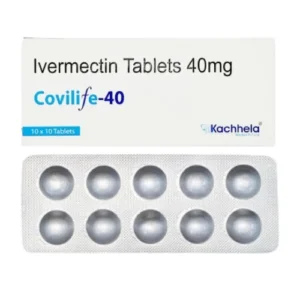
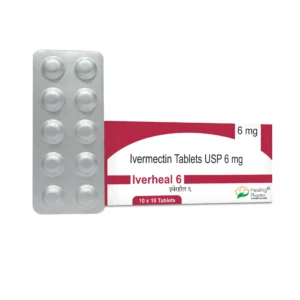
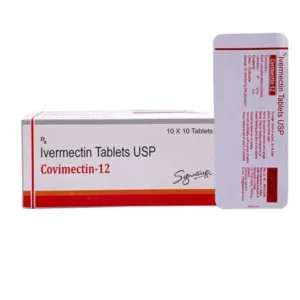
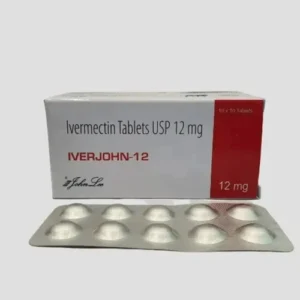
| Active-Ingredient | Ivermectin |
|---|---|
| Manufacturers | Kachhela Medex Private Limited |
| Packaging | 10 Tablets in a strip |
| Strength | 24mg |
| Delivery-Time | 10 to 15 days |
Ivermectin 24 Mg: A Complete Educational Resource
Parasitic infections require targeted medical intervention with appropriate antiparasitic medications. Ivermectin 24 mg represents a higher-strength formulation that healthcare professionals prescribe for treating various parasitic conditions, particularly in patients requiring larger doses based on body weight or infection severity. This comprehensive guide provides medically-sound, accessible information about Ivermectin 24 mg, including its therapeutic applications, mechanism of action, safety protocols, and proper usage guidelines.
Knowledge serves as the foundation for effective healthcare management. Whether you’re seeking information about this specific strength formulation or looking to understand antiparasitic therapy better, this resource delivers evidence-based content designed to support your conversations with healthcare providers and enhance treatment understanding.
Product Overview: What is Ivermectin 24 Mg?
Ivermectin 24 mg is a prescription antiparasitic medication containing ivermectin as its active pharmaceutical compound. This medication belongs to the anthelmintic drug class—a specialized therapeutic category specifically formulated for eliminating parasitic worm infections and certain ectoparasites. Medical professionals prescribe ivermectin-based formulations for conditions including intestinal strongyloidiasis, onchocerciasis (river blindness), scabies infestations, and other parasitic diseases.
The 24 mg strength represents a higher-dose formulation designed to accommodate patients with greater body weight or specific treatment protocols requiring larger single doses. Healthcare practitioners calculate precise dosing based on patient body weight (typically 150-200 micrograms per kilogram), specific parasitic condition, infection burden, and individual health considerations. This higher strength allows healthcare providers to minimize the number of tablets required for appropriate therapeutic dosing.
Obtaining Ivermectin 24 mg requires a legitimate prescription from a qualified medical professional following proper diagnostic procedures. The medication undergoes rigorous manufacturing processes, adhering to pharmaceutical quality standards mandated by regulatory authorities. Patients should exclusively obtain this medication through authorized pharmacy channels to ensure product authenticity, appropriate storage conditions, and therapeutic integrity.
How the Active Ingredient Functions?
Understanding Ivermectin 24 mg’s therapeutic action requires insight into parasitic neurobiology. Ivermectin operates through a sophisticated mechanism that demonstrates remarkable selectivity, targeting parasite-specific biological structures while minimizing effects on human cells.
The medication functions by binding to glutamate-gated chloride channels located in nerve and muscle cells of invertebrate parasites. These specialized channels exist in parasite nervous systems but are absent or inaccessible in mammals like humans. When ivermectin attaches to these channels, it causes them to open, allowing chloride ions to flood into the parasite’s nerve and muscle cells.
This sudden influx of chloride ions creates hyperpolarization—an electrical state that paralyzes the parasite’s nervous system and musculature. The affected parasites become immobilized, lose their ability to feed, and cannot maintain their attachment to host tissues. This paralysis ultimately leads to parasite death and allows the body’s natural elimination processes to remove them through normal excretion pathways.
A critical safety feature: ivermectin demonstrates selective toxicity due to fundamental biological differences between parasites and mammals. While humans possess similar chloride channels, they exist exclusively in the central nervous system, which ivermectin cannot readily penetrate due to the protective blood-brain barrier. This biological barrier system explains why the medication can eliminate parasites effectively while maintaining a favorable safety margin when used according to medical guidelines.
Typical Uses & Informational Benefits:-
Healthcare providers prescribe Ivermectin 24 mg for specific medically-diagnosed parasitic conditions:
Primary Medical Applications:
- Treatment of intestinal strongyloidiasis caused by the threadworm Strongyloides stercoralis
- Management of onchocerciasis (river blindness) resulting from infection with Onchocerca volvulus
- Treatment of scabies infestations caused by the Sarcoptes scabiei mite, particularly in severe or crusted cases
- Management of head lice, body lice, and pubic lice infestations in appropriate clinical scenarios
- Treatment of certain filariasis infections as determined by infectious disease specialists
- Management of cutaneous larva migrans and other parasitic conditions based on medical diagnosis
Therapeutic Characteristics:
- Demonstrates broad-spectrum antiparasitic effectiveness against multiple parasite species
- Achieves systemic distribution after oral absorption, reaching parasites throughout body tissues
- May alleviate symptoms associated with parasitic infections, including intense itching, skin manifestations, gastrointestinal disturbances, and inflammatory responses
- Typically administered as single-dose or multiple-dose regimens, depending on condition severity and type
Medical Context:
- Treatment success depends on accurate parasitic diagnosis through laboratory confirmation
- Effectiveness varies based on parasite burden, infection duration, and host immune response
- Functions optimally when integrated with proper hygiene practices, environmental decontamination, and close contact treatment when applicable
- Represents a critical component of comprehensive parasitic infection management strategies
- Follow-up diagnostic testing often necessary to verify complete parasite elimination and guide additional treatment if needed
General Dosage & Administration Guidance:-
Ivermectin 24 mg dosing protocols are highly individualized and weight-dependent. Your healthcare provider calculates the precise dose based on your body weight and the specific parasitic condition being addressed.
Dosage Framework:
- Standard dosing ranges from 150-200 micrograms per kilogram of body weight
- For an 80 kg (176 lb) adult, this typically translates to one 24 mg tablet (approximately 200 mcg/kg)
- Patients weighing significantly more may require additional tablets as prescribed
- Dosing frequency depends entirely on the parasitic condition being treated
- Some infections require a single dose, while others necessitate repeat dosing at 1-2 week intervals
- Your prescriber provides exact dosing instructions customized to your diagnosis and weight
Administration Instructions:
- Take tablets orally with a full glass of water (at least 8 ounces)
- Take on an empty stomach—at least 1 hour before or 2 hours after any meals for maximum absorption
- Swallow tablets whole without crushing, breaking, chewing, or dissolving
- If prescribed multiple tablets, take all tablets simultaneously at the same time
- Adhere strictly to your healthcare provider’s specific timing and frequency instructions
Essential Warnings:
- Never exceed the prescribed dose regardless of symptom severity
- Do not self-adjust dosing or frequency without explicit medical authorization
- Complete the entire prescribed treatment course even if symptoms resolve early
- Avoid repeated dosing closer together than medically recommended
- Never share your prescription—dosing is calculated based on individual body weight and specific diagnosis
- Do not use this medication for conditions other than those diagnosed by your healthcare provider
Myths vs Reality: Correcting Common Misunderstandings:-
| Myth | Reality |
|---|---|
| Ivermectin 24 mg treats viral infections like colds or flu | This medication exclusively targets parasitic organisms; it has no therapeutic effect on viruses, bacteria, or fungi |
| Taking a higher dose than prescribed speeds up parasite elimination | Exceeding recommended doses dramatically increases serious side effect risks without improving parasite clearance and may cause toxicity |
| One dose permanently eliminates all parasites and prevents future infections | While effective for current infections, the medication doesn’t provide immunity or lasting protection against reinfection from new exposures |
| Ivermectin 24 mg is safe to use without medical diagnosis | Proper parasitic diagnosis through laboratory testing is essential; using antiparasitic drugs without confirmed infection is inappropriate and potentially harmful |
| All parasitic infections respond equally to ivermectin | Different parasites have varying susceptibilities; some parasites require alternative medications or combination therapy for effective treatment |
Comparison Section:-
Table A: Generic vs Brand Ivermectin Comparison
| Aspect | Generic Ivermectin 24 Mg | Branded Formulation |
|---|---|---|
| Active Pharmaceutical Ingredient | Ivermectin 24 mg | Ivermectin 24 mg |
| Clinical Effectiveness | Bioequivalent therapeutic action | Bioequivalent therapeutic action |
| Cost Structure | Typically more economical option | Premium brand pricing structure |
| Manufacturing Source | Certified generic pharmaceutical manufacturers | Original innovator pharmaceutical company |
| Market Availability | Broadly available through licensed pharmacies | Available through pharmacy networks |
| Regulatory Compliance | Must satisfy identical FDA/international regulatory standards | FDA-approved reference product formulation |
Table B: Comparing Antiparasitic Medication Options
| Medication Category | Active Component | Primary Indications | Typical Administration | Distinguishing Characteristic |
|---|---|---|---|---|
| Ivermectin 24 mg | Ivermectin | Strongyloidiasis, onchocerciasis, scabies, lice | Single or repeated oral doses | Broad-spectrum systemic antiparasitic with extended tissue penetration |
| Albendazole formulations | Albendazole | Hydatid disease, neurocysticercosis, intestinal helminths | Oral multiple-day courses | Particularly effective for tissue-dwelling larval parasites |
| Praziquantel medications | Praziquantel | Schistosomiasis, tapeworm infections | Oral single or divided doses | Specialized for trematode and cestode infections |
| Mebendazole products | Mebendazole | Pinworms, roundworms, whipworms, hookworms | Oral single dose or 3-day course | Commonly prescribed for common intestinal worm infections |
| Permethrin topicals | Permethrin 5% | Scabies, lice | Topical cream application | External application for ectoparasitic infestations |
Side Effects Overview: Responsible Information:-
All pharmaceutical agents carry potential for adverse effects. Understanding possible reactions helps you distinguish expected responses from situations warranting medical attention.
Commonly Observed Effects (Typically Mild and Transient):
- Dizziness or mild lightheadedness
- Nausea, upset stomach, or gastrointestinal discomfort
- Diarrhea or loose stools
- Fatigue, weakness, or mild drowsiness
- Decreased appetite
- Mild skin reactions, including itching or rash (often related to dying parasites)
- Headache or mild head pressure
These frequently reported reactions are usually temporary and diminish as your body processes the medication and eliminates parasites. Many symptoms, particularly itching and rash, may result from dying parasites releasing antigens (Mazzotti reaction) rather than direct medication effects.
Less Frequent But Noteworthy Effects:
- Tachycardia (increased heart rate)
- Lymph node swelling or tenderness
- Joint pain or muscle aches
- Fever or flu-like symptoms
- Visual disturbances or eye discomfort
- Abdominal cramping or bloating
- Constipation
Uncommon But Serious (Require Immediate Medical Evaluation):
- Severe skin reactions including Stevens-Johnson syndrome (widespread blistering, peeling skin)
- Respiratory difficulty, wheezing, or chest tightness
- Severe dizziness, vertigo, or syncope (fainting)
- Seizures, convulsions, or tremors
- Significant confusion, altered consciousness, or encephalopathy
- Severe ocular pain, vision loss, or eye inflammation
- Uncontrolled bleeding, unusual bruising, or signs of liver dysfunction (jaundice)
- Severe hypotension (dangerously low blood pressure)
Contact your healthcare provider promptly if you experience concerning symptoms. For patients being treated for onchocerciasis, the Mazzotti reaction (inflammatory response to dying parasites) can produce significant symptoms including fever, rash, swelling, and joint pain that may require medical management with anti-inflammatory medications. Never hesitate to seek medical guidance when unusual or severe reactions occur.
Safety Information & Precautions:-
Specific populations and medical conditions require special consideration or contraindicate Ivermectin 24 mg use.
Absolute Contraindications:
- Known hypersensitivity, allergic reaction, or anaphylaxis to ivermectin or any tablet components
- Active Loa loa infection (African eye worm)—requires alternative treatment approach to prevent serious complications
- Severe hepatic impairment in certain clinical situations
Heightened Caution and Medical Supervision Required For:
- Pre-existing neurological conditions including epilepsy, seizure disorders, or conditions affecting the central nervous system
- Immunocompromised states including HIV/AIDS, organ transplantation, or immunosuppressive medication use
- Moderate to severe liver disease or elevated liver enzymes
- Kidney impairment or chronic renal disease
- Cardiovascular conditions including arrhythmias or conduction abnormalities
- Asthma or chronic obstructive pulmonary disease
- Elderly patients who may have reduced drug clearance
- Underweight individuals or those with low body mass index
Significant Medication Interactions:
- Warfarin and other anticoagulants (may enhance blood-thinning effects requiring monitoring)
- Anti-seizure medications including phenobarbital, phenytoin, and valproic acid
- CYP3A4 enzyme inducers or inhibitors affecting medication metabolism
- Other antiparasitic agents (combination therapy requires medical supervision)
- Immunosuppressant medications including cyclosporine and tacrolimus
- Benzodiazepines and certain sedatives
Lifestyle and Behavioral Considerations:
- Strictly limit or avoid alcohol consumption as it may intensify dizziness and increase liver stress
- Avoid driving, operating heavy machinery, or performing tasks requiring alertness if experiencing dizziness or visual disturbances
- Implement rigorous hygiene practices to prevent parasite reinfection
- Wash all bedding, clothing, and towels in hot water (at least 130°F/54°C) when treating ectoparasites
- Treat all household members or close contacts simultaneously when treating contagious parasites like scabies or lice
Special Population Considerations:
- Pregnancy: Ivermectin is classified as Category C; use only when potential benefits clearly outweigh potential risks. Discuss thoroughly with your obstetrician or healthcare provider.
- Breastfeeding: Ivermectin is excreted in breast milk. Medical consultation required to assess risk-benefit ratio for nursing infants.
- Pediatrics: Dosing based strictly on body weight. Generally not recommended for children weighing less than 15 kg (33 lbs). Safety and efficacy in very young children not fully established.
- Geriatrics: Elderly patients may require dose adjustments due to decreased renal function and altered drug metabolism. Closer monitoring recommended.
Frequently Asked Questions?
Q1: Is Ivermectin 24 mg safe when used according to prescription?
When prescribed by a qualified healthcare provider following proper diagnostic confirmation of parasitic infection and used strictly according to medical instructions, Ivermectin 24 mg has an established safety profile spanning decades of clinical use worldwide. The medication has been administered to millions of patients for approved parasitic conditions. Safety depends on appropriate patient selection, accurate dosing based on body weight, and proper medical supervision including follow-up care.
Q2: How quickly does Ivermectin 24 mg begin working against parasites?
The medication starts its antiparasitic action within hours of administration, with peak blood concentrations typically reached within 4-5 hours. Parasites begin experiencing paralysis and death within this timeframe. However, noticeable symptom improvement may take several days to weeks depending on the infection type and parasite burden. Dead parasites require time for bodily elimination, and tissue healing occurs gradually. Some conditions necessitate repeat dosing after 1-2 weeks to address parasites at different life cycle stages.
Q3: Can I take Ivermectin 24 mg as a preventive measure against parasites?
No. Ivermectin 24 mg is strictly a treatment medication for diagnosed parasitic infections, not a preventive agent. The medication should only be taken when a parasitic infection has been confirmed through appropriate diagnostic testing by a healthcare provider. Inappropriate use of antiparasitic medications without proper indication exposes you to unnecessary side effects, provides no benefit, and may contribute to the development of parasite resistance. Prevention focuses on sanitation, safe food and water practices, protective measures in endemic areas, and avoiding exposure to infected individuals or contaminated environments.
Q4: Why is it essential to take this medication on an empty stomach?
Taking Ivermectin 24 mg on an empty stomach (1 hour before or 2 hours after meals) is critical for achieving optimal and predictable therapeutic absorption. Food, particularly high-fat meals, can significantly increase ivermectin absorption—up to 2.5 times higher than fasting conditions. While this might seem beneficial, excessive absorption can lead to higher-than-intended blood levels, increasing the risk of adverse effects including central nervous system toxicity. Empty stomach administration ensures consistent, safe, and appropriate drug levels for effective parasite elimination without excessive exposure.
Q5: Will I need follow-up appointments and testing after treatment?
Yes, follow-up care is an essential component of parasitic infection management. Your healthcare provider will typically recommend follow-up appointments 2-4 weeks after treatment completion. Depending on the specific parasitic condition, follow-up may include stool examinations (for intestinal parasites), skin scrapings (for scabies), or other diagnostic procedures to confirm complete parasite elimination. Some infections may show persistent parasites requiring repeat treatment doses. Additionally, your healthcare provider will assess treatment tolerability, monitor for adverse effects, and provide guidance on preventing reinfection.
Storage & Handling:-
Appropriate storage preserves medication integrity and ensures household safety:
Storage Specifications:
- Maintain room temperature between 68°F and 77°F (20°C to 25°C)
- Store in original packaging until immediately before use to protect from light exposure and moisture
- Avoid storage in areas with excessive heat, humidity, or temperature fluctuations
- Do not store in bathroom medicine cabinets where humidity from showers can affect tablet integrity
- Keep away from direct sunlight, radiators, or heat-generating appliances
Safety Measures:
- Store securely in a location completely inaccessible to children and pets—this is a prescription medication that can cause serious harm if misused
- Never transfer tablets to unmarked, unlabeled, or alternative containers
- Regularly check and respect expiration dates; expired medication may lose potency
- Dispose of expired, unused, or unnecessary medication through authorized pharmacy take-back programs or DEA-approved disposal sites
- Do not discard in household trash where children or pets might access them
- Never flush medications down toilets or drains unless specifically instructed by disposal guidelines
Handling Precautions:
- Wash hands thoroughly before and after handling tablets
- If treating contagious ectoparasites (scabies, lice), implement comprehensive environmental decontamination:
- Launder all clothing, bedding, towels, and washable items in hot water (minimum 130°F/54°C) and dry on high heat
- Items that cannot be washed should be sealed in plastic bags for at least 72 hours (or 2 weeks for scabies to be absolutely certain)
- Vacuum upholstered furniture, mattresses, and carpets thoroughly
- Consider treating close contacts simultaneously to prevent reinfection cycles
Medical Disclaimer:-
This educational content strictly adheres to healthcare information standards and is intended exclusively for informational and educational purposes. It does not replace professional medical consultation, parasitic diagnosis, or treatment recommendations. Parasitic infections require proper medical diagnosis through laboratory confirmation and ongoing professional monitoring throughout treatment. Always seek guidance from qualified, licensed healthcare practitioners regarding antiparasitic medications, proper diagnosis of infectious conditions, and appropriate treatment protocols.
Additional information
| mg | 24 Mg |
|---|---|
| unit | 100 Tablets, 200 Tablets, 300 Tablets |

Reviews
There are no reviews yet.